Import regulations for dates and pistachios into Iran
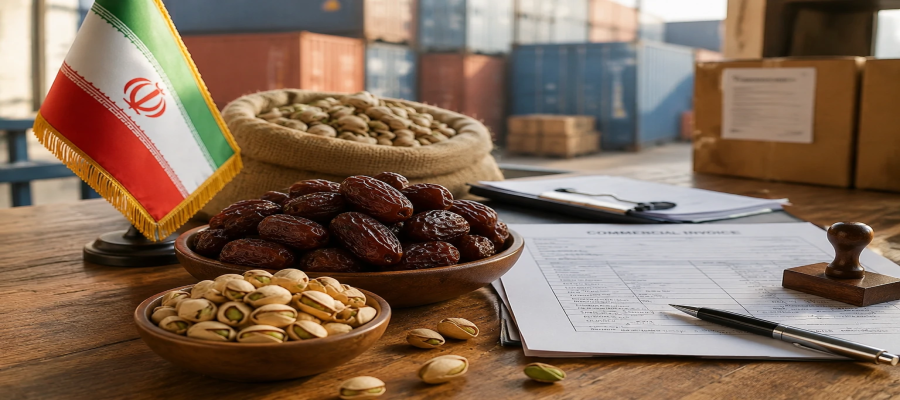
Importing dates and pistachios is of great importance because Iran is considered one of the major producers and primary consumers of these products. Various types of dates including Kalooteh date, Mazafati and Piarom are produced in the southern provinces of the country and play a significant role in domestic and export markets. This article is dedicated to examining the legal frameworks related to the import of dates and pistachios into Iran customs procedures, required permits and important points for importers.
The Importance of Importing Dates and Pistachios in Iran
The country has a broad and growing domestic consumer market that consistently requires a steady and high‑quality supply of these products. In addition to meeting the needs of the domestic market the import of these products plays a fundamental role in supplying raw materials for the food industry and also provides opportunities for re‑export. Effective importation of dates and pistachios can also have a significant impact on the balance of domestic markets, pricing and the economic development of these sectors.
Comprehensive Regulations and General Principles of Importing into Iran
The general import laws in Iran include a set of regulations and rules that importers are required to follow. The first step in this process is compliance with customs regulations and completing the procedures related to the entry of goods which include declaring the goods and paying import duties and related charges. In addition registering the order in the Comprehensive Trade System is considered a legal requirement and without a valid order registration, customs clearance of goods will not be possible. Obtaining the necessary permits from the relevant authorities, including the Consumer and Producer Protection Organization, the Food and Drug Organization and other related bodies is also essential to ensure that imported goods are approved in terms of quality and health standards. Strict compliance with these regulations provides a secure and legal framework for importing goods into the country.
Legal Characteristics of Importing Dates
Considering the large volume of date production in Iran the import of this product is generally subject to strict supervision and controls. The main purpose of these restrictions is to support domestic farmers and protect the market for national products. The most important points related to the import of dates include:
Requirement to obtain a permit from the Ministry of Agriculture Jihad:
Importing dates is permitted only with an official permit from the Ministry of Agriculture Jihad and any import without this permit will be considered a violation of the law and subject to prosecution.
Requirement to have a health certificate and compliance with food standards:
Imported date shipments must have valid health certificates and comply with national and international food standards to ensure consumer safety.
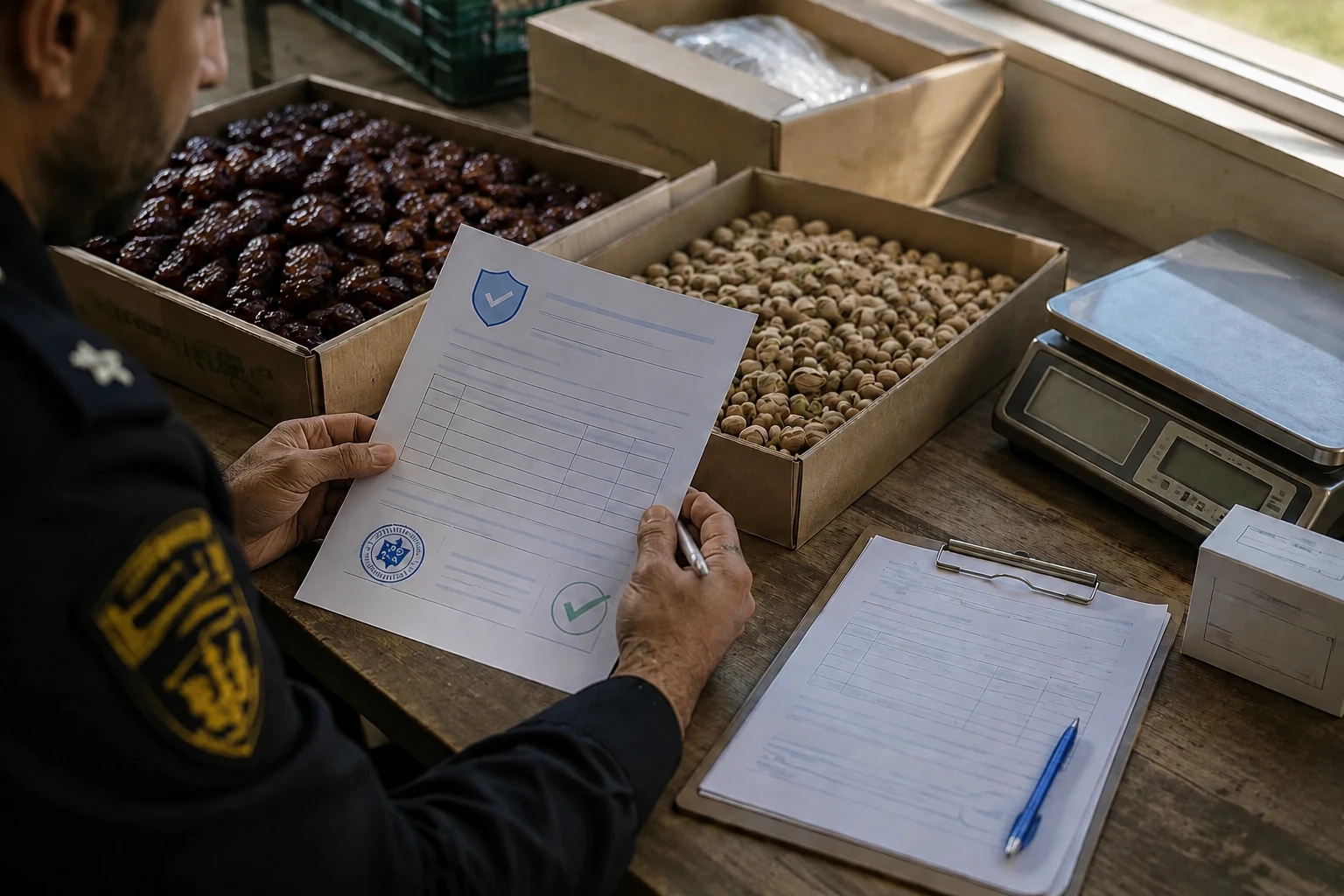
Considering the importance of quality when purchasing dates choosing a reputable store is of special importance. Kimia Zarrin Bahador store with valid health certificates and offering various types of high‑quality dates including Rabbi dates has been able to gain a suitable position among customers. By following proper storage principles and standard product supply this collection has created conditions that allow consumers to access fresh, healthy, and high‑quality dates.
Prohibition of imports in support of domestic production:
In order to protect the interests of domestic producers and stabilize market balance the import of dates is restricted in some years.
Commitment to paying customs duties and complying with health and quarantine regulations:
Importers are required to pay customs duties and charges in accordance with regulations and must also implement plant quarantine and protection rules to prevent the entry of plant pests and diseases.
Considering the excellent quality of various Iranian dates including Rabbi and Mazafati dates the domestic market usually does not require large‑scale imports of this product.
Legal Characteristics of Importing Pistachios
Pistachios like dates are considered one of Iran’s key and strategic agricultural products. For this reason their import is subject to specific and numerous conditions and regulations that must be strictly observed. These conditions are as follows:
Strict compliance with health regulations and conducting specialized tests on imported shipments is necessary. In addition the tariffs and taxes stipulated by law apply to this product and their payment by importers is mandatory. Furthermore strict regulations have been established regarding the packaging and labeling of imported pistachios compliance with which is of great importance and must ensure the preservation of product quality and the provision of transparent information to consumers.
Due to the high volume of pistachio production in provinces such as Kerman in practice the import of this product is often not economically viable.
Legal Stages of Importing Dates and Pistachios
Order Registration: The first stage in the process of importing dates and pistachios is registering the product order in the Comprehensive Trade System. Completing this process officially is considered one of the legal requirements of importation and without order registration it will not be possible to carry out customs procedures and clear the goods from customs. This action is taken with the aim of managing and supervising the flow of imports and regulating the domestic market.
Obtaining Required Permits: Importers are required to obtain approvals and legal permits from relevant institutions, including the Ministry of Agriculture Jihad, the Consumer and Producer Protection Organization and the Food and Drug Organization. Obtaining these permits is mandatory in order to ensure compliance with health standards and alignment with the quality regulations of imported shipments before they enter the consumption cycle.
Customs Procedures and Goods Clearance: After registering the order and obtaining the necessary permits, the importer must complete all customs procedures, including declaring the goods, submitting and reviewing the related documents, paying import duties and customs charges and complying with quarantine rules and regulations. The clearance of goods and their legal entry into the market require the full completion of the described stages and the approval of the responsible authorities.
Challenges and Important Points for Importers
Importers face numerous challenges that require careful attention and precise planning. One of the most important issues ahead is paying attention to market risks and the issue of smuggling which can lead to price fluctuations and a reduction in the share of legal imports in the market.
Frequent changes in import laws and regulations are another major challenge forcing importers to always stay informed about the latest instructions and executive regulations so that they can proceed with the import process legally, continuously and without delay.
In addition interaction and cooperation with reputable companies and making use of specialized legal advice are of particular importance because this helps reduce legal and commercial risks and makes it possible to carry out the import process properly and in full compliance with regulations.
Are the Import Regulations for Dates and Pistachios in Iran the Same?
Although dates and pistachios are both considered important agricultural products and dried fruits their import laws and regulations into Iran have significant differences. These distinctions arise from differences in domestic production conditions, target markets and health standards. Among the most important legal differences between importing dates and pistachios are the following:
Permitting mechanism:
Importing both products requires obtaining a permit from the Ministry of Agriculture Jihad but the review and approval process for this permit differs for each product due to the sensitivity of the domestic market and the level of production. In importing dates stricter conditions including time restrictions are usually applied while importing pistachios due to market conditions generally follows a different process.
Health regulations and standards:
Both products require obtaining a health certificate from the relevant organizations but the standards and quality control protocols for each differ depending on the nature of the product. For example due to susceptibility to spoilage dates are required to comply with specific storage and packaging standards whereas for pistachios there is greater emphasis on product safety in terms of the absence of pests and toxins.
Customs tariffs and import restrictions:
Tariff policies for each of these products are determined separately and tariff levels may change over different periods depending on market conditions, domestic production levels and the government’s supportive policies. In general due to the extensive production of dates in Iran importing this product often faces serious restrictions or even bans in order to support domestic producers. In contrast importing pistachios may be possible in certain specific circumstances with the aim of regulating the market or compensating for a potential shortage in domestic supply.
Final words
Importing dates and pistachios in Iran requires compliance with customs laws, obtaining the necessary permits and paying attention to health and quality standards. Although part of the regulations for these two products is similar there are differences in some specialized requirements. On the other hand ongoing changes in instructions and executive regulations, market fluctuations and the issue of smuggling are among the major challenges facing importers. In such conditions continuous awareness of the latest rules accurate commercial planning, and the use of specialized legal and customs consultation can play an effective role in reducing risks and facilitating the import process.