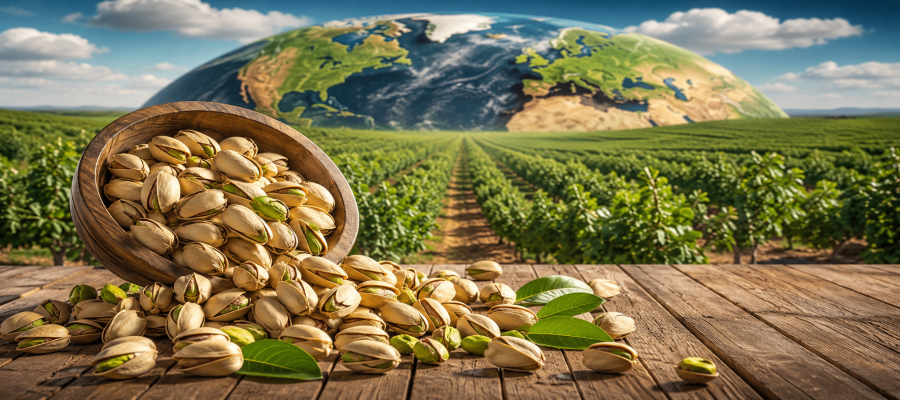
The Largest Pistachio Producers in the World
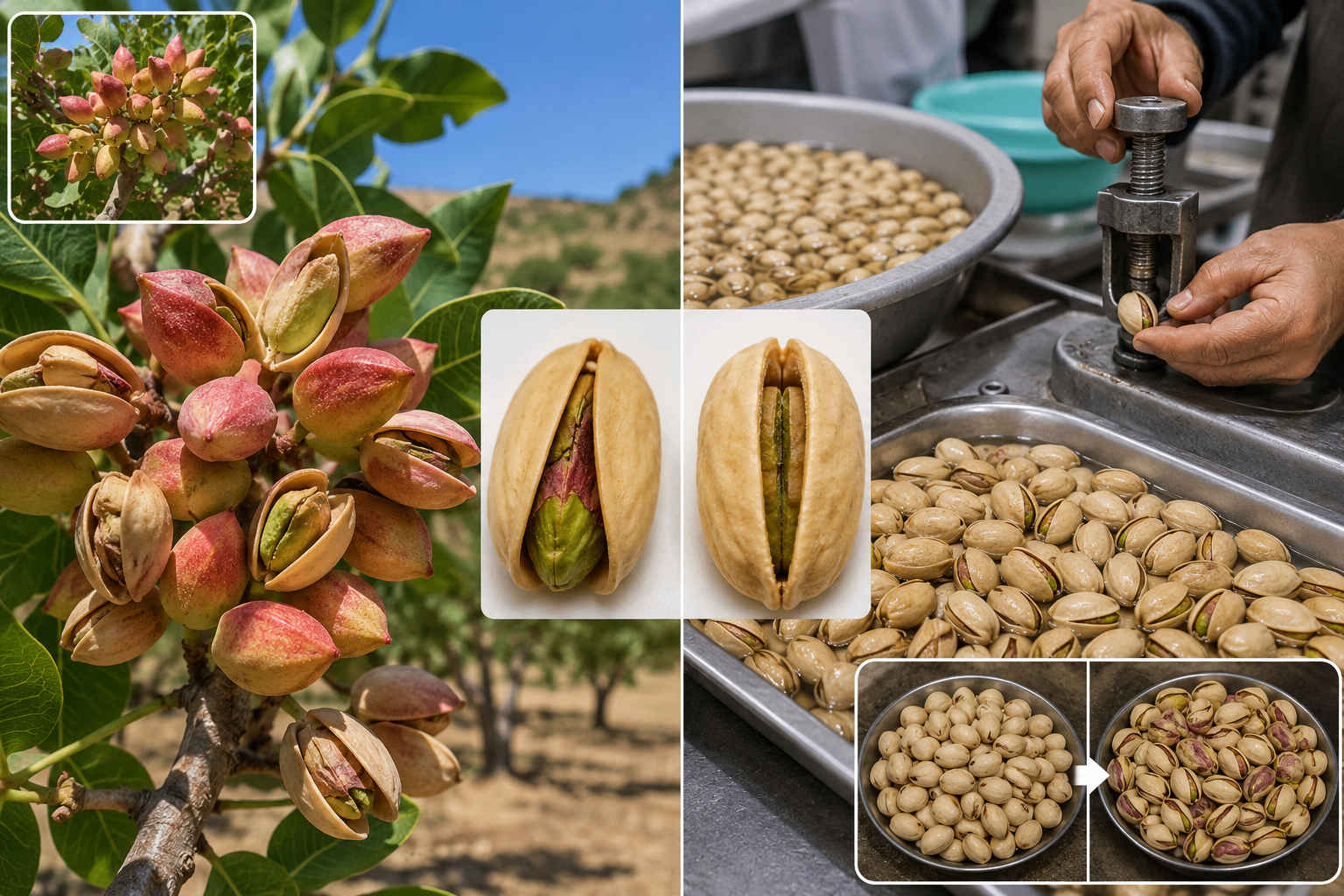
This product known in international markets as Green Gold holds a special position in the basket of strategic agricultural commodities and is considered one of the most valuable nut varieties globally. The increasing global demand for this product stems from its high nutritional value and its extensive application in processing industries, confectionery and food products. However the management and direction of the global pistachio market are limited to a handful of countries that possess favorable climatic advantages and production infrastructure.
In this article we will provide an analytical review of the largest pistachio producers in the world and their roles in international markets.
List of the Largest Pistachio Producers in the World
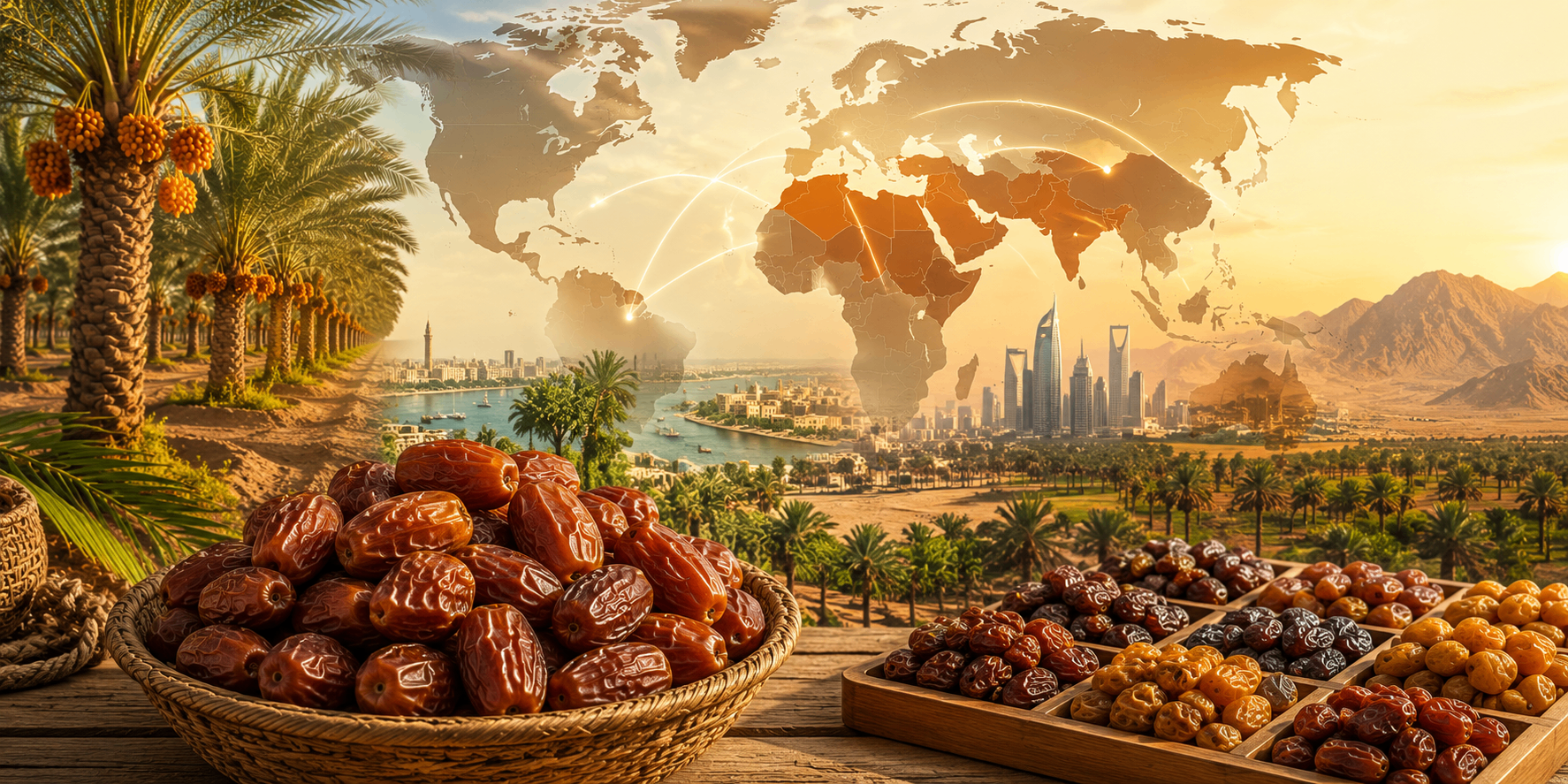
Pistachio cultivation requires specific climatic conditions which particularly include long hot summers and cold winters. Given these climatic requirements only a limited number of regions worldwide possess the necessary potential for producing this strategic product. Based on data published by the Food and Agriculture Organization (FAO) the following countries account for the highest volume of global production:
Iran:
The Islamic Republic of Iran as the origin and traditional home of pistachio cultivation has long played a pivotal role in the global industry of this product. By leveraging indigenous knowledge and a long-standing tradition in cultivating premium varieties Iran is consistently recognized as one of the primary centers for the production and supply of pistachios in the international arena.
Prominent Iranian pistachio varieties such as Ahmad Aghaei, Akbari (Black-tail) and Kalleh Ghouchi due to their unique characteristics—such as rich and pleasant taste, favorable fatty acid content and superior quality—continue to enjoy popularity and a special status among consumers and major wholesalers in global markets. Despite facing significant challenges regarding the management of limited water resources and variable climatic conditions Iran is considered one of the key and influential countries in determining price levels in the global pistachio market. This strategic position not only reflects the production significance of Iran but also underscores the necessity of focusing on sustainable solutions to preserve and enhance this industry.
United States of America (California):
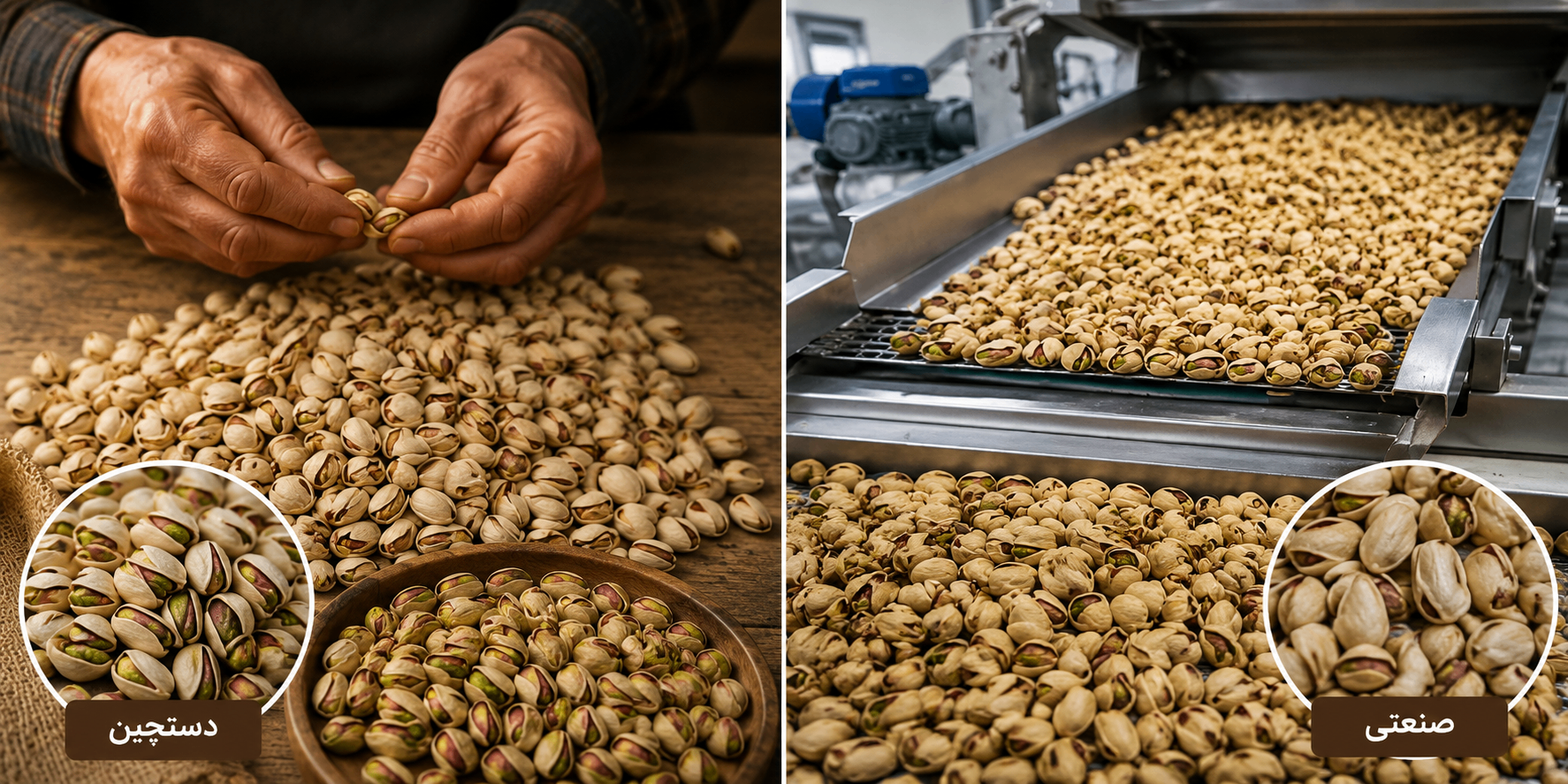
In recent decades the United States by focusing on the state of California and leveraging massive investment advanced agricultural technologies and smart management of water resources has become a formidable competitor to Iran in the global pistachio market. Extensive cultivated areas, complete mechanization of the harvesting process and very high productivity per hectare are factors that have enabled the United States to surpass other competitors and solidify its position as the largest pistachio producer in the world.
Turkey:
The pistachio industry in this country by relying on its indigenous and exclusive varieties has secured the position of the third-largest pistachio producer in the world. The primary hub for the production of this product in Turkey is in the southeastern regions particularly Gaziantep which thanks to its specific climatic conditions has become the origin of specific pistachio cultivars with unique tastes and characteristics. The focus on these native varieties has enabled Turkey to offer a distinctive product to the market and achieve a sustainable competitive advantage.
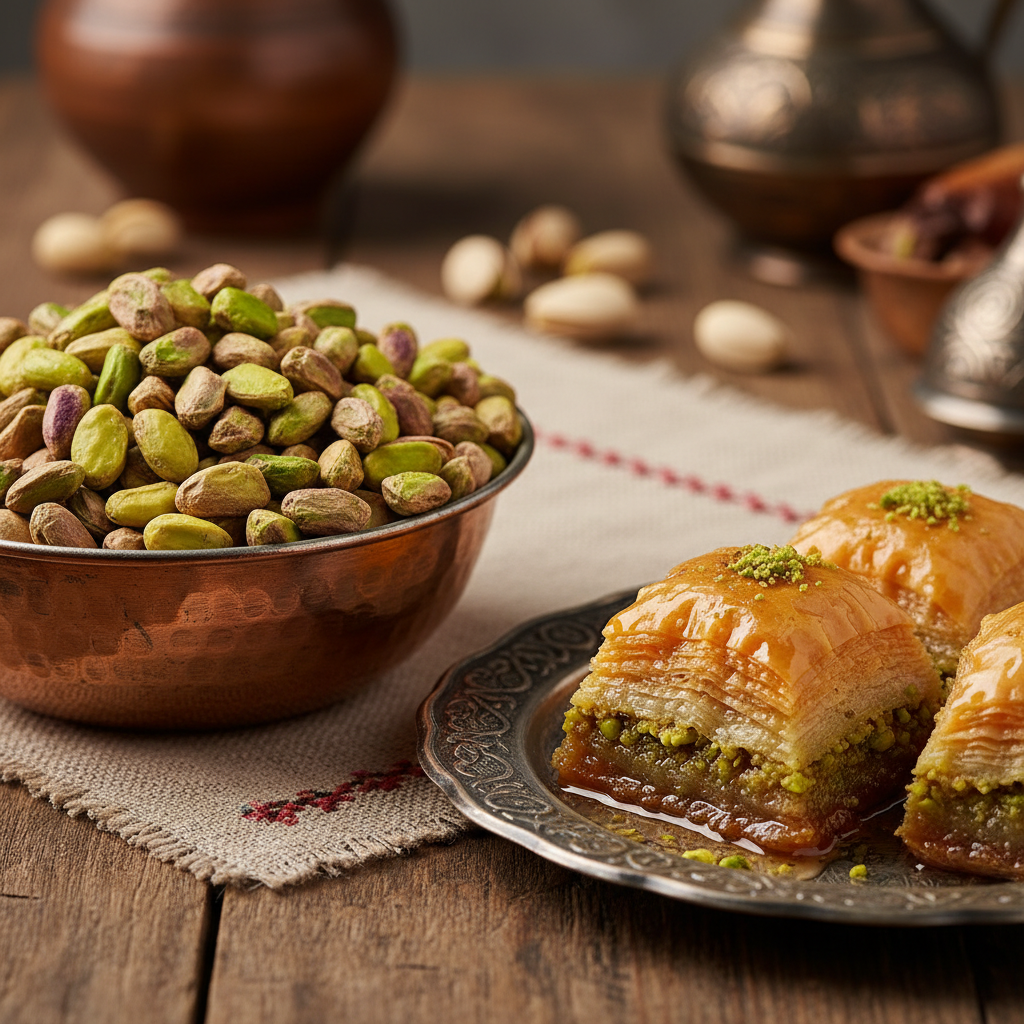
This success is not limited to cultivation and production alone rather it is rooted in the close connection between agriculture and processing industries. A large portion of the pistachios produced in Turkey due to their specific characteristics enters the confectionery industry directly for the production of baklava and has become one of the main pillars of the quality of these products. In fact this synergy between orchardists and the confectionery industry has not only significantly increased the added value of the product but has also solidified the reputation of Turkish pistachios as an inseparable component of the country’s traditional sweets in global markets.
Other Producers:
Alongside the three major giants of pistachio production—the United States, Iran and Turkey—other countries such as Syria, Greece and more recently Spain are also active in this field. However the share of these countries in global production is negligible compared to the massive volume of product supplied by the three main hubs of the market.
In fact these smaller producers due to limitations in cultivated area and the lack of extensive infrastructure for mechanized harvesting cannot play a decisive role in the major equations of global pricing and supply. For this reason their production capacity only meets domestic needs or the surrounding regional markets and the global pistachio market remains under the strategic dominance of those three main powers.
What Does the Future of the Global Pistachio Market Hold?
Given the intensification of climate change and the growing water crisis the future of pistachio production in many regions will face serious and decisive challenges. Rising temperatures, a decrease and irregularity in precipitation, persistent consecutive droughts and the decline of groundwater levels both increase production costs and can lead to reduced orchard yields and lower product quality. Under such conditions the continuation of traditional and water-intensive irrigation methods not only threatens the sustainability of production but also reduces the competitiveness of producers in global markets.
In this trajectory three fundamental axes will play a decisive role. First is the move toward using drought-resistant and low-water-consuming varieties that allow for continued production in hotter and drier climates. Second is the optimization of irrigation systems, particularly the utilization of methods such as drip and smart irrigation which can significantly reduce water consumption and increase production efficiency. Third is investment in modern technologies for processing and packaging pistachios which not only increases the shelf life of the product and preserves its quality during export but also brings higher added value for producers and exporters.
In the world of pistachio trade access to high-quality and standardized products is the primary concern of major buyers and international traders. Kimia Zarrin Bahador by relying on expert knowledge and up-to-date standards plays an effective role in the process of supplying and distributing high-quality pistachios.
Final words
Currently power in this market is divided between the United States and Iran. The United States by relying on mechanized agriculture and a massive scale of production is the driving force behind the global supply volume however Iran backed by its unrivaled quality and distinctive taste still holds a special place among consumers in luxury and discerning markets. A precise understanding of the mechanics of this competition is not only a necessity for economic actors and exporters but also opens a new window for analysts and enthusiasts in the field of agriculture to recognize the developments and trends of the global trade of strategic products.