Smart agriculture and its impact on the export of dates and pistachios
Iran due to its diverse climatic capacities holds a prominent position among the main global producers of horticultural products and has consistently secured a significant share of the international markets for pistachios and dates. Despite this standing the continuity of the export path for these products has been impacted by challenges in target markets. In such circumstances the development of smart agriculture as a fundamental and transformative strategy, plays a pivotal role in optimizing the value chain from production to harvesting and packaging.
Challenges of Traditional Agriculture and the Necessity of Smart Agriculture Development
Although Iran is considered one of the largest global producers of pistachios and dates the share of these products in export markets significantly falls short of the country’s actual production capacity. This gap stems from numerous challenges the most prominent of which include: quality fluctuations in consecutive periods low efficiency in water resource management leading to increased production costs, substantial waste throughout the value chain including harvesting, storage and transportation and difficulty in complying with the stringent quality and sanitary standards of international markets particularly the European Union. The persistence of these factors has led to serious limitations in leveraging Iran’s competitive advantages in the dried fruit industry.
What is Smart Agriculture?
It refers to the systematic utilization of modern technologies for precise, scientific and continuous management of farms and orchards. In this approach all stages of production from planting to harvesting are continuously monitored to significantly increase product quality and uniformity alongside reducing human error and production costs.
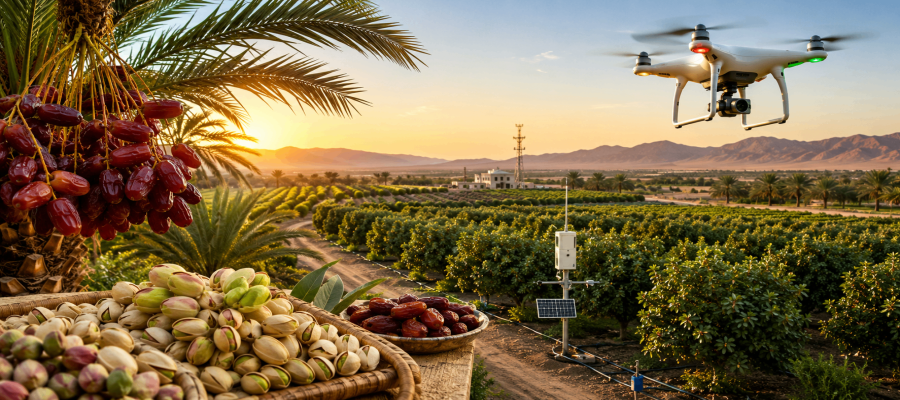
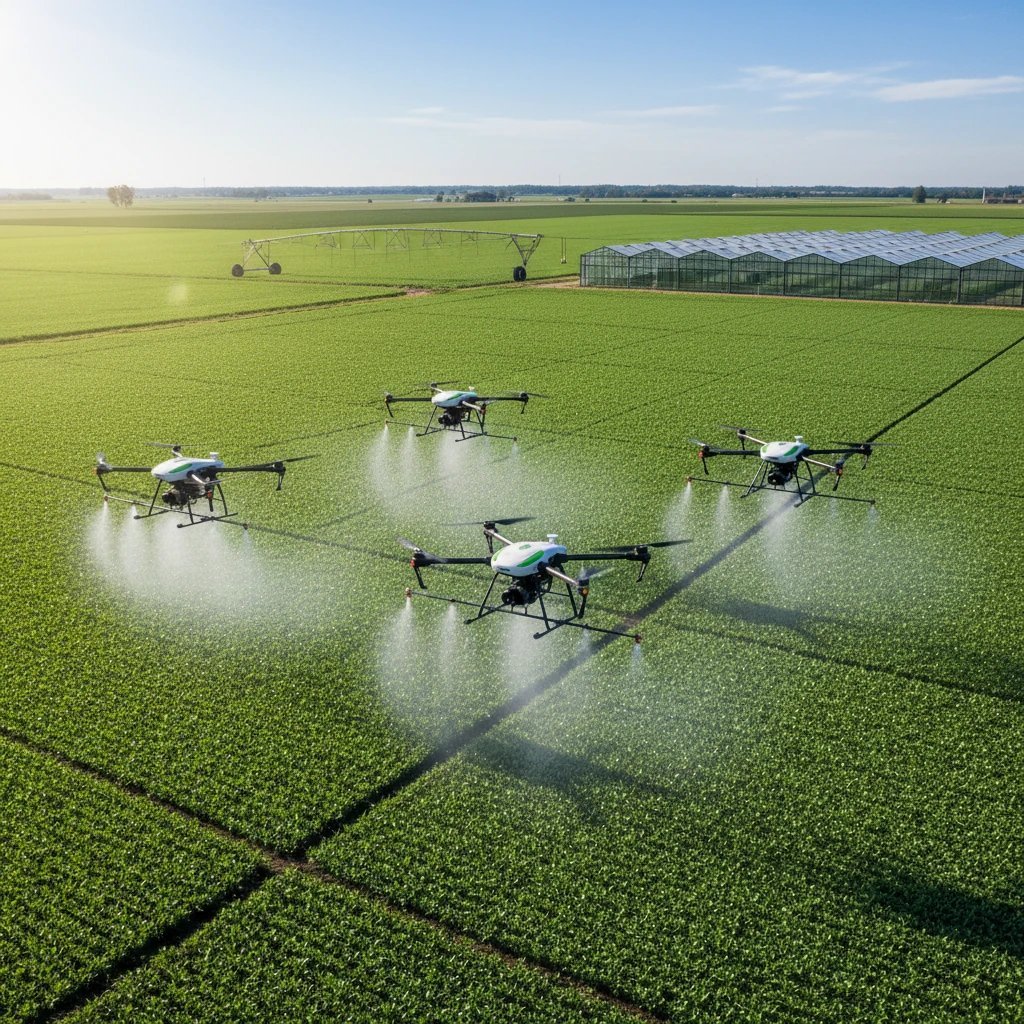
Tools such as soil moisture sensors, smart drip irrigation systems, monitoring drones and data analysis software provide farmers with accurate and up-to-date information about the farm’s condition. This data enables more precise planning and decision-making regarding irrigation timing, type and amount of fertilization and pest control methods.
Impact of Smart Agriculture on Exports
Target markets especially Europe and East Asia demand products with consistent quality, adherence to standards and minimal pesticide residues. Smart agriculture through precise input management and reduced use of chemical pesticides facilitates the production of healthy and uniform products. It also meets the needs of these markets by standardizing packaging and storage conditions.
The application of the Internet of Things (IoT), artificial intelligence and smart monitoring systems addresses the primary challenge for exporters compliance with strict sanitary standards. These technologies enhance the health, appearance and shelf life of Iranian pistachios and dates creating significant competitive advantages for sustained and successful participation in global markets.
The Role of Smart Agriculture in Improving Pistachio Production and Exports
The use of modern technologies in pistachio orchards has created a fundamental transformation in the production and export development of this product. Its most significant dimensions are:
Smart Irrigation Management in Pistachio Orchards
Despite pistachios’ high sensitivity to water scarcity traditional methods involve extensive wastage of water resources. By employing soil moisture sensors local weather stations, and smart drip irrigation systems irrigation can be precisely tailored to the tree’s biological needs and performed during the optimal window. This intelligent management not only reduces water consumption by several percent but also by preventing drought stress and fruit drop significantly enhances the uniformity of the nuts and the final quality of the pistachios. Ultimately offering pistachios with a consistent size and excellent quality greatly elevates their export value in international markets.
Smart Control of Pests and Diseases
Chemical pesticide residues are among the fundamental challenges in pistachio exports gaining even greater importance due to the stringent regulations of importing countries particularly the European Union. Smart agriculture through continuous monitoring of orchards via drones and precise analysis of pest data in specialized software enables targeted and timed management of chemical inputs.
This approach while reducing pesticide usage ensures that protective measures are taken only when necessary and in precise quantities. Consequently the final product is produced in full compliance with global health standards. This significantly increases the likelihood of success in quality tests at the destination and while ensuring the health of shipments at customs it elevates the brand reputation of Iranian pistachios to an international level.
Improving the Process of Pistachio Harvesting, Drying and Packaging
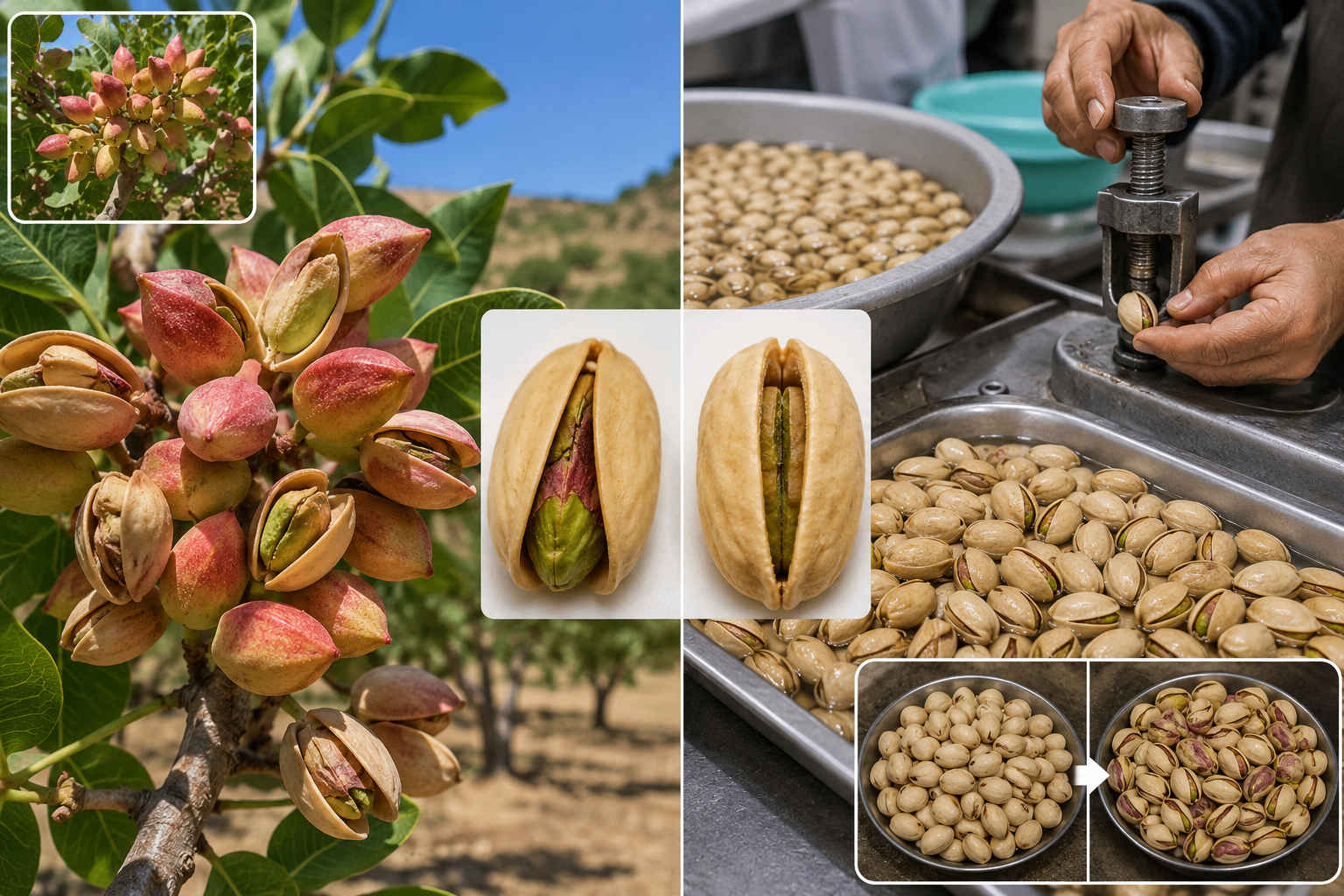
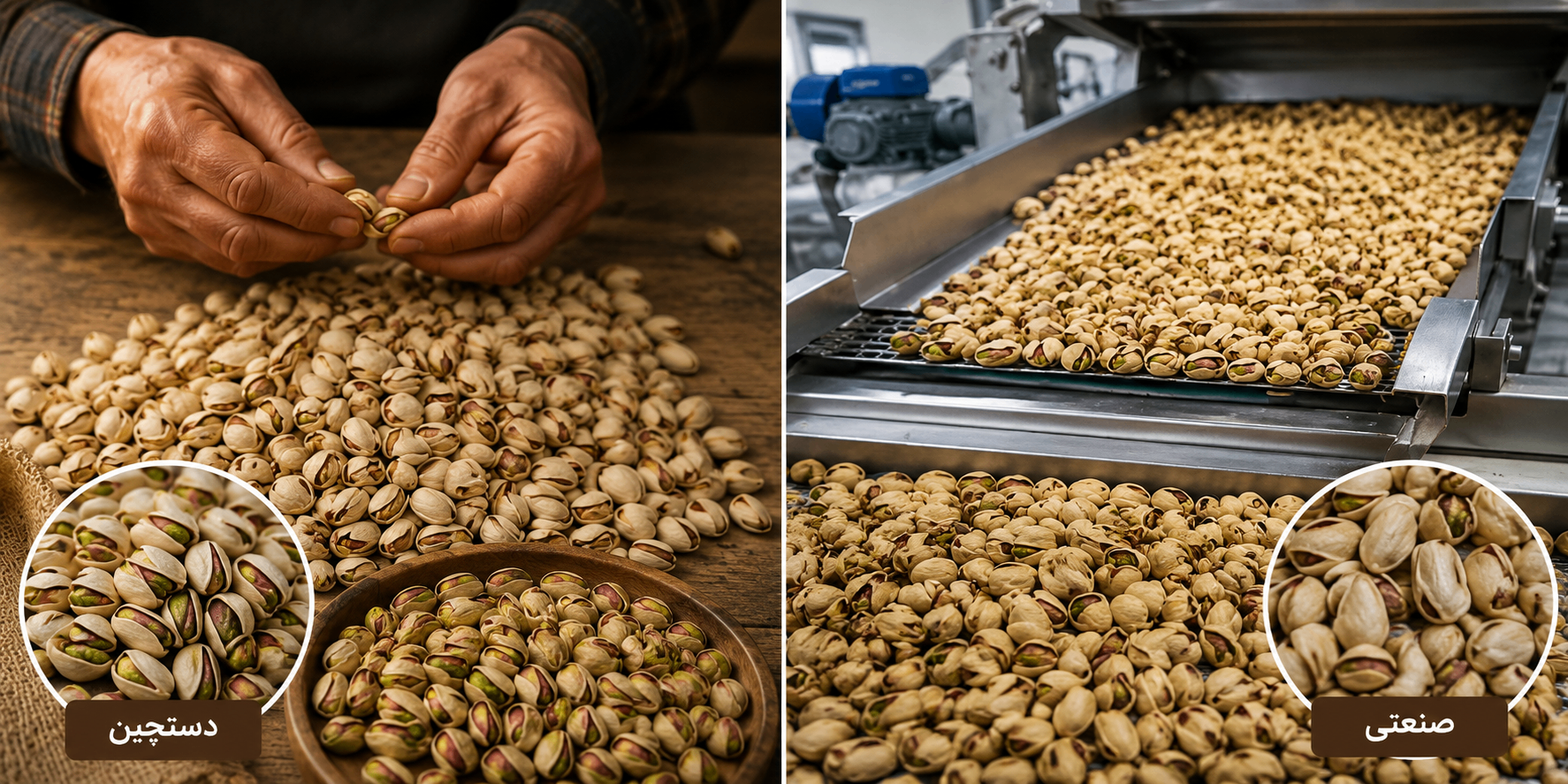
The application of smart agriculture is not limited to the production stage in the orchard but also seriously encompasses post-harvest processes. The use of smart dryers with precise temperature and humidity control, automatic sorting systems for uniform grading and hygienic packaging technologies plays a decisive role in enhancing the final quality of pistachios. These measures improve the product’s visual characteristics increase shelf life, and reduce damage during transportation. Adherence to such quality requirements is essential for a stable and competitive presence in sensitive markets like Europe, China and the Persian Gulf countries.
Smart Agriculture and Improving the Quality of Exported Dates
One of Iran’s winning cards in the international market is its wide variety of date cultivars. The adoption of modern and technological approaches in managing date palm groves has significantly facilitated the enhancement of quality and the improvement of the export process for these diverse cultivars.
Optimizing Irrigation and Fertilization of Date Palm Groves
The use of smart monitoring systems in date palm groves allows for precise control of environmental conditions ensuring that products like Mazafati dates reach the packaging stage with a desirable texture and excellent quality. Simultaneously the application of sorting and smart monitoring technologies for cultivars such as Rabbi dates and Kaloote dates results in a uniform and hygienic product thereby increasing the market share of these varieties in export markets. For Piarom dates known as the luxury date smart management of nutrition and irrigation has boosted productivity and maintained the product’s special position in global markets.
This technological approach significantly enhances the economic value of dates by improving qualitative factors such as sugar content, size, and product uniformity. Such achievements in smart date palm grove management effectively preserve and solidify the competitiveness of Iranian dates against regional rivals.
Reducing Date Waste with Smart Storage and Cold Storage
Spoilage, mold and textural changes in dates during storage and transportation are fundamental challenges in the export of this product. By implementing smart temperature and humidity control systems in cold storage facilities and utilizing monitoring sensors for continuous oversight of environmental conditions timely identification and rectification of undesirable changes before damage occurs become possible.
Furthermore the use of modern packaging with impermeability to moisture and contamination ensures the product’s quality is maintained until delivery to international markets. These technological solutions lead to a significant reduction in waste and increase profitability in the export cycle.
Kimia Zarrin Bahador by integrating up-to-date knowledge and adhering to international standards has been able to attract the trust of international buyers by offering high-quality products to global markets.
Final words
Investment in smart agriculture is essential for maintaining competitiveness in global markets. Numerous entities with a deep understanding of this trend are transforming Iran’s traditional export landscape towards a smart and knowledge-based export model. Enhancing the quality of diverse date, pistachio and other exportable cultivars will lead to the remarkable prominence of Iran’s agricultural products across global markets.