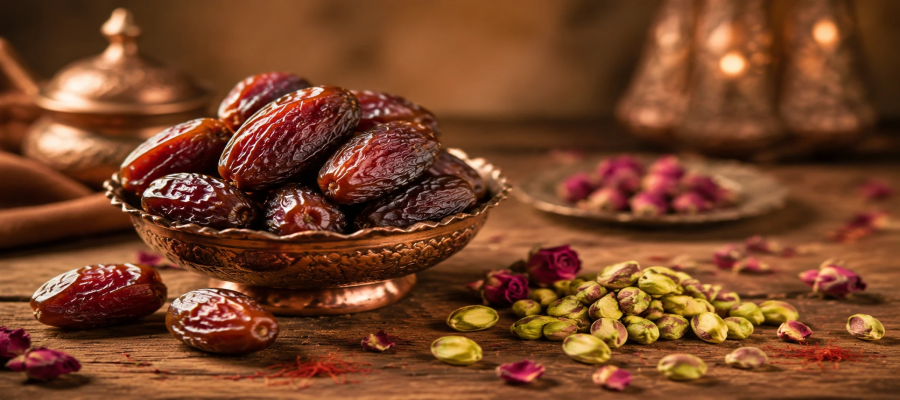
Stages of Exporting Dates and Pistachios
The export of agricultural products especially dates and pistachios is considered one of the most profitable and strategic sectors of Iran’s international trade. Iran with its prominent position in the production of various types of dates and pistachios has extensive capacity for an effective and competitive presence in global markets. Products such as Zahidi, Mazafati, and Kalute dates along with Iranian pistachios play a significant role in the development of the country’s non‑oil exports and have consistently attracted the attention of international markets.
In this article the export process of dates and pistachios the required documents and permits, international export standards, as well as effective marketing strategies and methods for expanding foreign markets will be comprehensively examined.
Importance of Exporting Dates and Pistachios
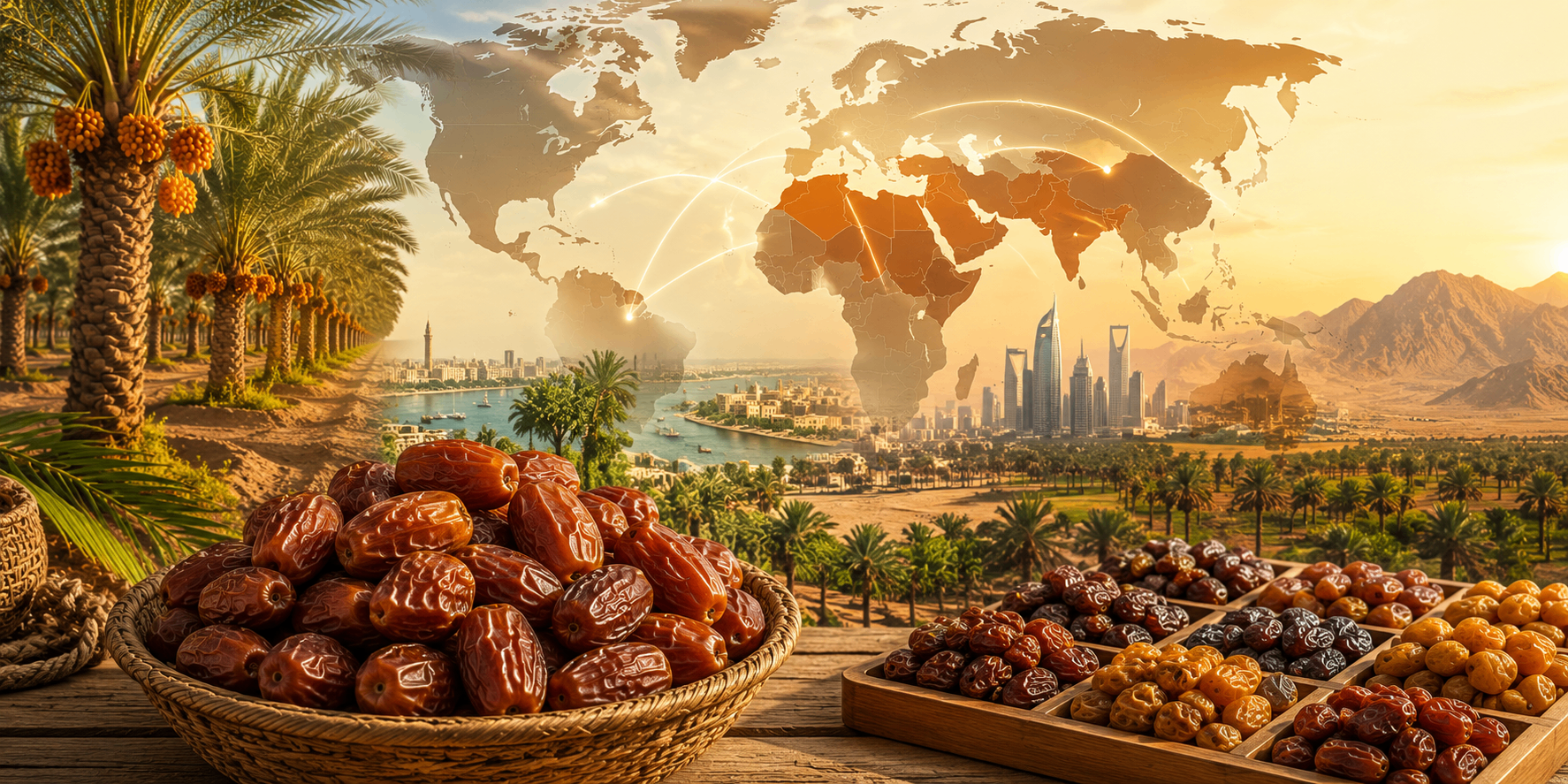
Iranian dates and pistachios due to their superior quality, unique taste and considerable variety have always been in high demand in international markets. The countries of the Persian Gulf region, India, Russia, Turkey, China and several European countries are among the most important export destinations for these products and account for a significant share of their consumption markets.
Among the various types of dates, Mazafati dates enjoy particular popularity in global markets due to their soft texture, sweet taste, and desirable quality and are considered one of the most favored export varieties. Additionally Rabbi dates because of their long shelf life good storage capability and competitive price are regarded as a suitable and economical option for export to various markets.
Advantages of Exporting Dates and Pistachios
High profitability: The export of dates and pistachios is considered one of the profitable sectors in agricultural trade due to the significant and continuous demand in international markets. These products consistently attract the attention of foreign buyers because of their high quality, desirable taste and global reputation and there is a relatively stable market for them. Therefore engaging in the export of dates and pistachios can provide a suitable opportunity for exporters to generate income and expand their commercial activities.
Foreign currency earnings for the country: The export of dates and pistachios is considered one of the effective factors in increasing the country’s foreign currency revenues and strengthening the trade balance. Considering the extensive production capacity of these products in Iran and their considerable demand in international markets expanding exports can provide a sustainable inflow of foreign currency into the country. Furthermore the expansion of exports of these products plays an important role in reducing the economy’s dependence on oil revenues and in developing non‑oil exports. Proper planning, compliance with international standards and a targeted presence in global markets can increase Iran’s share in the global trade of dates and pistachios and strengthen the country’s economic position in this field.
Development and strengthening of the Iranian brand in the global market: When high‑quality Iranian products are offered in global markets with a clear name and identity the trust of foreign buyers increases and the ground is prepared for expanding long‑term commercial cooperation. In this regard attention to product quality, appropriate packaging, compliance with health and international standards and the provision of professional services in the export process play an important role in forming a reputable and well‑recognized brand.
Kimia Zarrin Bahador by focusing on providing high‑quality products, using standard methods in processing and packaging, and adhering to the requirements of global markets can play an effective role in better introducing Iran’s agricultural products.
Why is the export of pistachios and dates profitable?
High and growing global demand:
Iranian pistachios due to their excellent taste and desirable quality have always held a special position in international markets. Demand for this product has shown an increasing trend in recent years and global markets have demonstrated considerable interest in Iranian pistachios. High quality, product diversity and the global reputation of Iranian pistachios have contributed to strengthening the position of this product in international trade and increasing its share in export markets.
Alongside pistachios dates are also considered one of Iran’s important and valuable agricultural products and enjoy widespread demand in global markets. The high nutritional value, natural nature and energy boosting and health promoting properties of dates have increased their consumption in various countries. In addition the growing global tendency toward consuming natural and healthy products has played a significant role in increasing demand for Iranian dates and expanding the export markets for this product.
Product diversity and multiple uses:
In addition to being consumed directly in raw or salted form pistachios are widely used in various industries including the production of chocolate, confectionery and other food products. This wide range of applications has led pistachios to be recognized as an important raw material in the food industry.
Dates such as Piarom dates in addition to being consumed fresh or dried, are also used in the production of various products such as date syrup, different desserts, sweets and other food items. The diversity in consumption methods and the numerous applications of this product have resulted in the formation of a broader consumer market for it. This feature also makes it possible to offer dates in various forms and packaging types suited to the needs of different markets and has facilitated the further development of their exports.
Higher prices in foreign markets compared to domestic markets:
Due to the high quality and premium nature of Iranian pistachios and dates these products often have higher value and prices in many international markets. This makes their export more economically profitable and provides suitable opportunities for exporters to increase their income.
Significant added value:
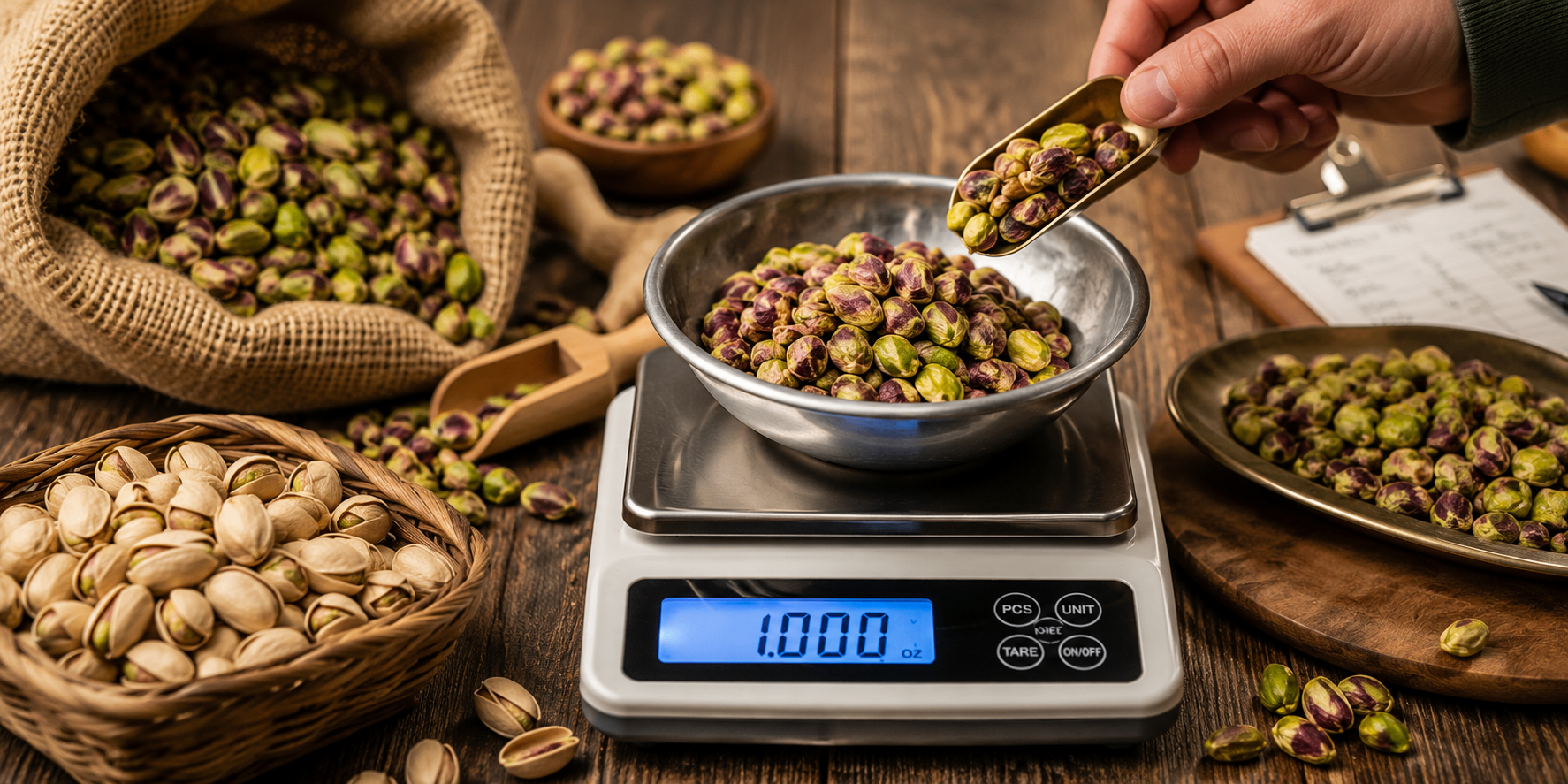
Processing and creating added value in products such as shelled pistachios, using high quality and standard packaging, processing different types of dates and producing related by products can increase the final value of the product.
High production capacity and Iran’s geographical position in global exports:
With its dry and semi dry climates suitable for the cultivation of dates and pistachios Iran is considered one of the largest producers of these products in the world. These natural conditions, together with long experience in cultivation and production have led to increased productivity, reduced production costs, and the creation of competitive advantages in global markets.
Stages of Exporting Dates and Pistachios
Target Market Analysis: In the first step the target countries must be carefully examined. This examination includes analyzing the level of demand, the price level in the destination market, import laws and regulations and understanding the preferences and consumption patterns of customers in those countries. For example countries such as India, China, the United Arab Emirates, Turkey and several European countries are among the most important importing markets for products such as dates and pistachios.
Supplying high quality products: The procurement of dates and pistachios should be carried out through reputable gardeners, producers or companies with a reliable track record. In this process attention to quality indicators such as size, taste, moisture percentage, uniformity and product health is of particular importance. It is also necessary that the supplied products fully comply with the standards and quality requirements of export markets.
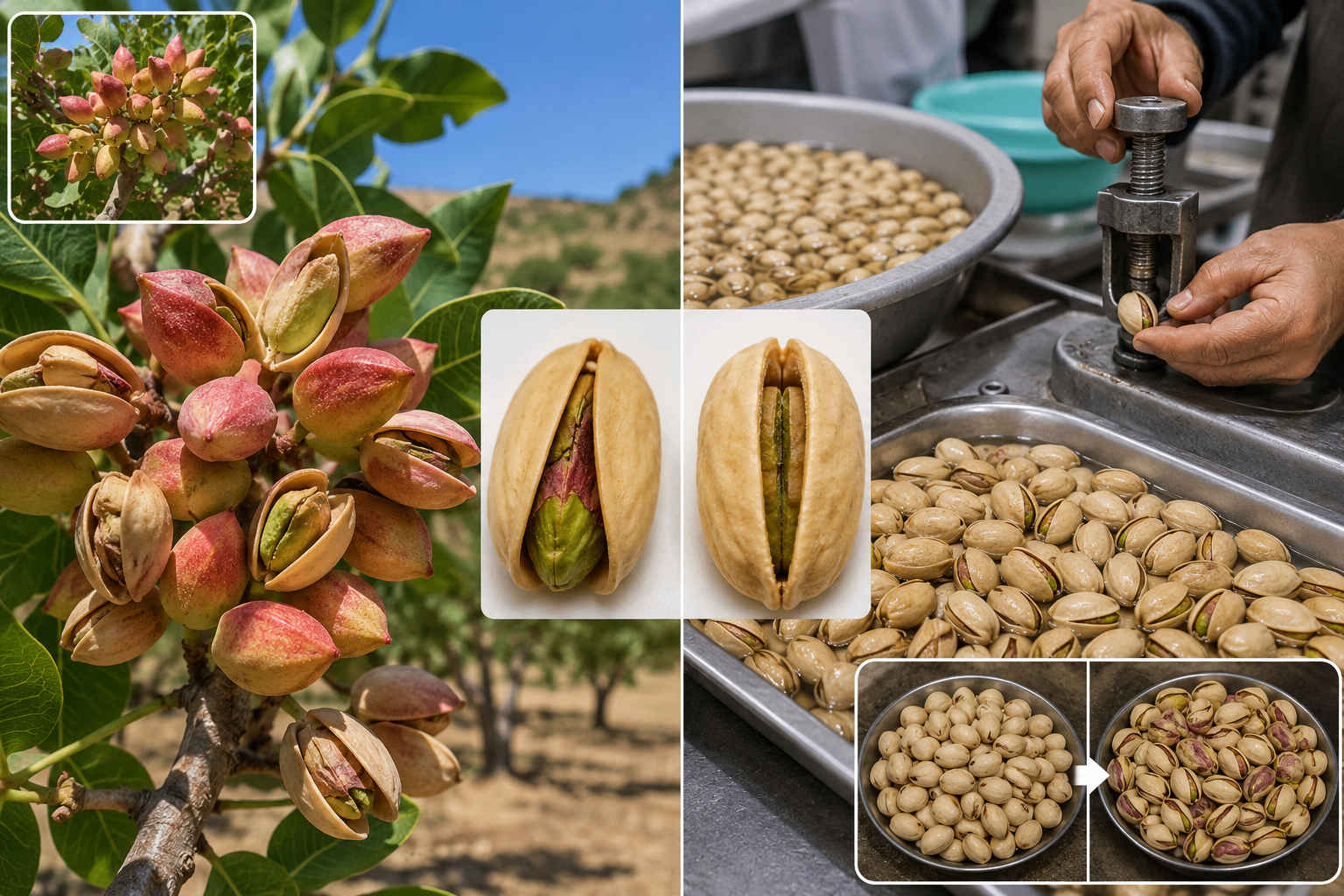
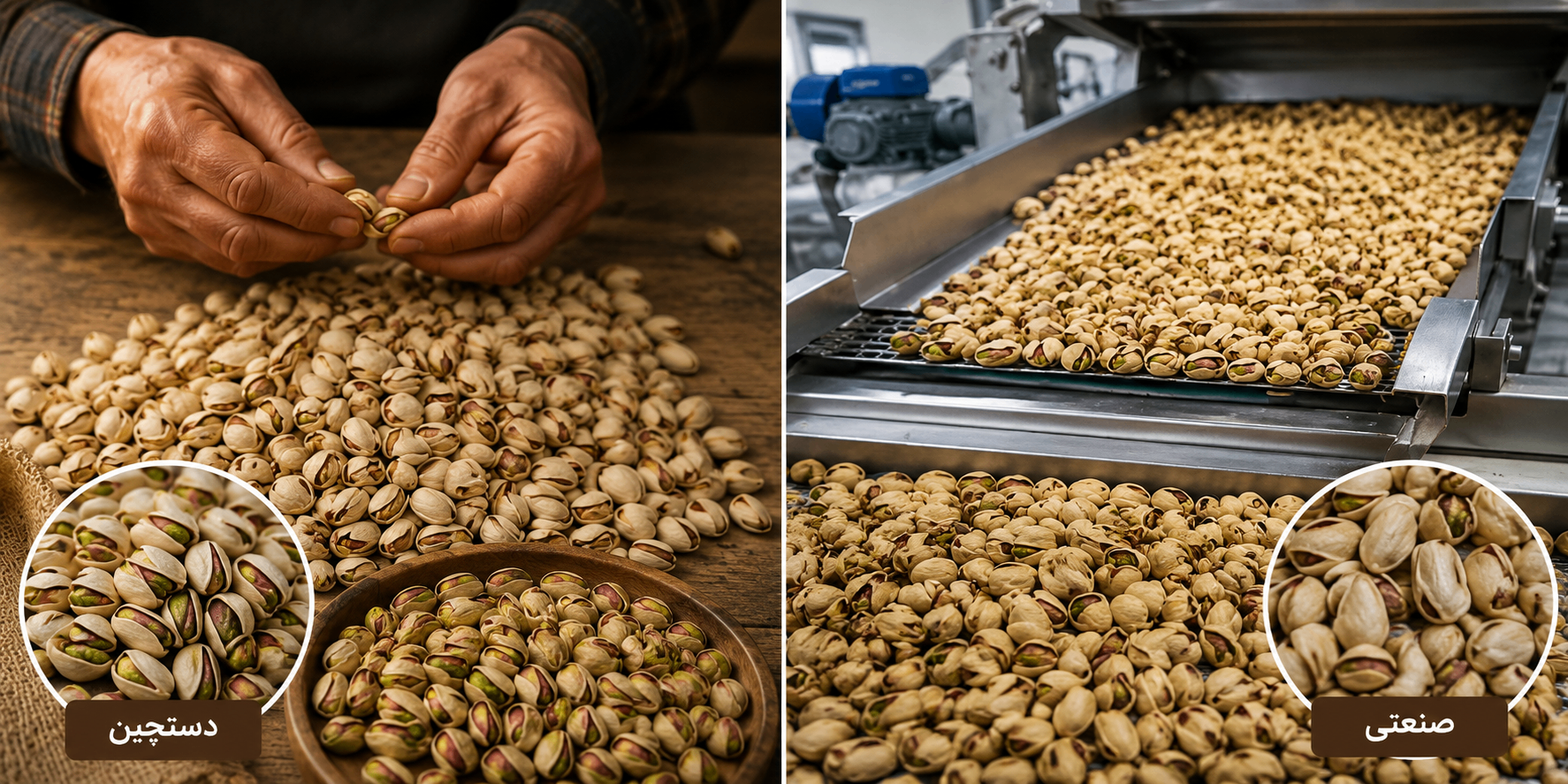
Processing and preparation: At this stage after receiving the products, they undergo grading, washing, and if necessary other processing operations. In the case of pistachios processes such as salting or roasting may be carried out and for dates actions such as pitting or preparation for special packaging may take place. The purpose of this stage is to improve the quality of the product and prepare it in accordance with the standards of target markets.
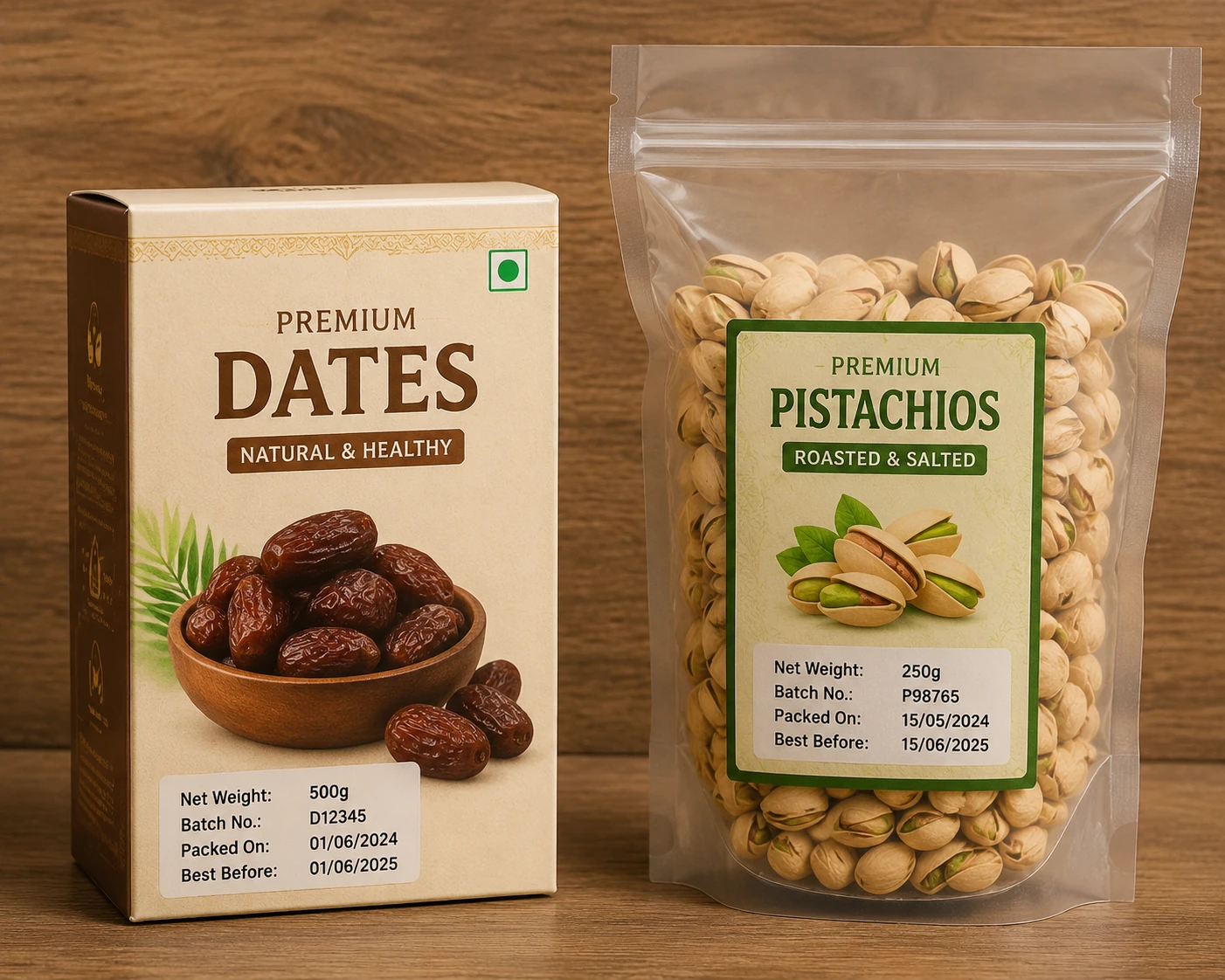
Standard packaging: Product packaging must be carried out in a hygienic, durable manner and in accordance with the standards and requirements of the destination country. In addition including necessary information such as the product name, net weight, production and expiration dates and the country of origin on the packaging is mandatory to ensure compliance with export regulations and to provide the necessary transparency and assurance for consumers.
Obtaining permits and certificates: For export obtaining permits such as a health and safety certificate from the relevant organizations, a standard certificate, a commercial card and a certificate of origin issued by the Chamber of Commerce can be mentioned. Obtaining these permits is carried out in order to comply with trade regulations and to ensure that the goods meet the export requirements of the destination countries.
Price determination and contract conclusion: At this stage the exporter negotiates with the foreign buyer and reaches an agreement on matters such as the product price, payment terms and methods, transportation method and delivery time. After these agreements are finalized the export contract is prepared in accordance with commercial rules and regulations and is concluded between the parties.
Customs procedures: The goods are sent to customs and the relevant export declaration is registered. After reviewing the documents and conducting the necessary inspections on the goods if approved a permit for their exit is issued by customs.
International transportation: After packaging the product is sent to the destination country through one of the transportation methods such as sea, land or air transport. The choice of transportation method is determined based on factors such as the distance to the destination, transportation costs and the required speed of delivery.
Delivery of goods and receipt of payment: After the goods reach the destination they are delivered to the buyer and the payment is received according to the terms of the contract (cash, remittance, or letter of credit).
Should exporters be responsible for after-sales services?
In many cases exporters are also responsible to some extent for providing after sales services. These services may include responding to the buyer, addressing potential complaints and following up on issues related to product quality. In the export of agricultural products such as dates and pistachios this responsibility is mostly raised in the form of reviewing buyer satisfaction and addressing possible problems. The scope and manner of fulfilling these obligations are usually determined in the export contract.
Final words
In general the export of dates and pistachios is an organized and multi stage process that begins with examining and identifying target markets and continues with supplying high quality products, carrying out processing operations and packaging in accordance with international standards, obtaining the necessary permits and certificates, completing customs procedures and finally transporting and shipping the goods to the destination country. In this process complying with health and quality requirements, being aware of the regulations and standards of the destination countries and drafting precise commercial contracts are of particular importance. The proper and coordinated implementation of these stages can play a significant role in the success of exporters and in expanding their presence in international markets.