
The effect of climate on pistachio quality
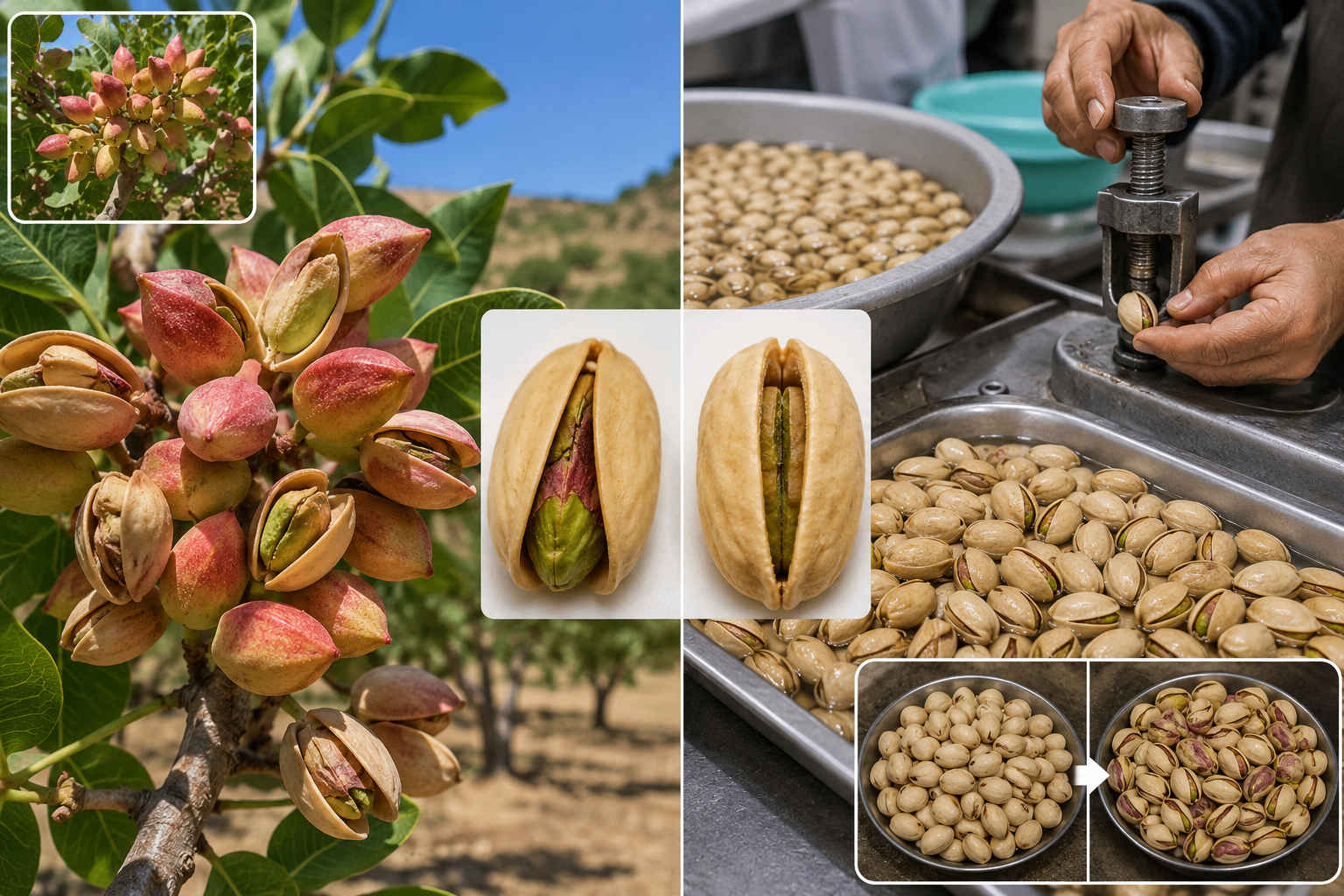
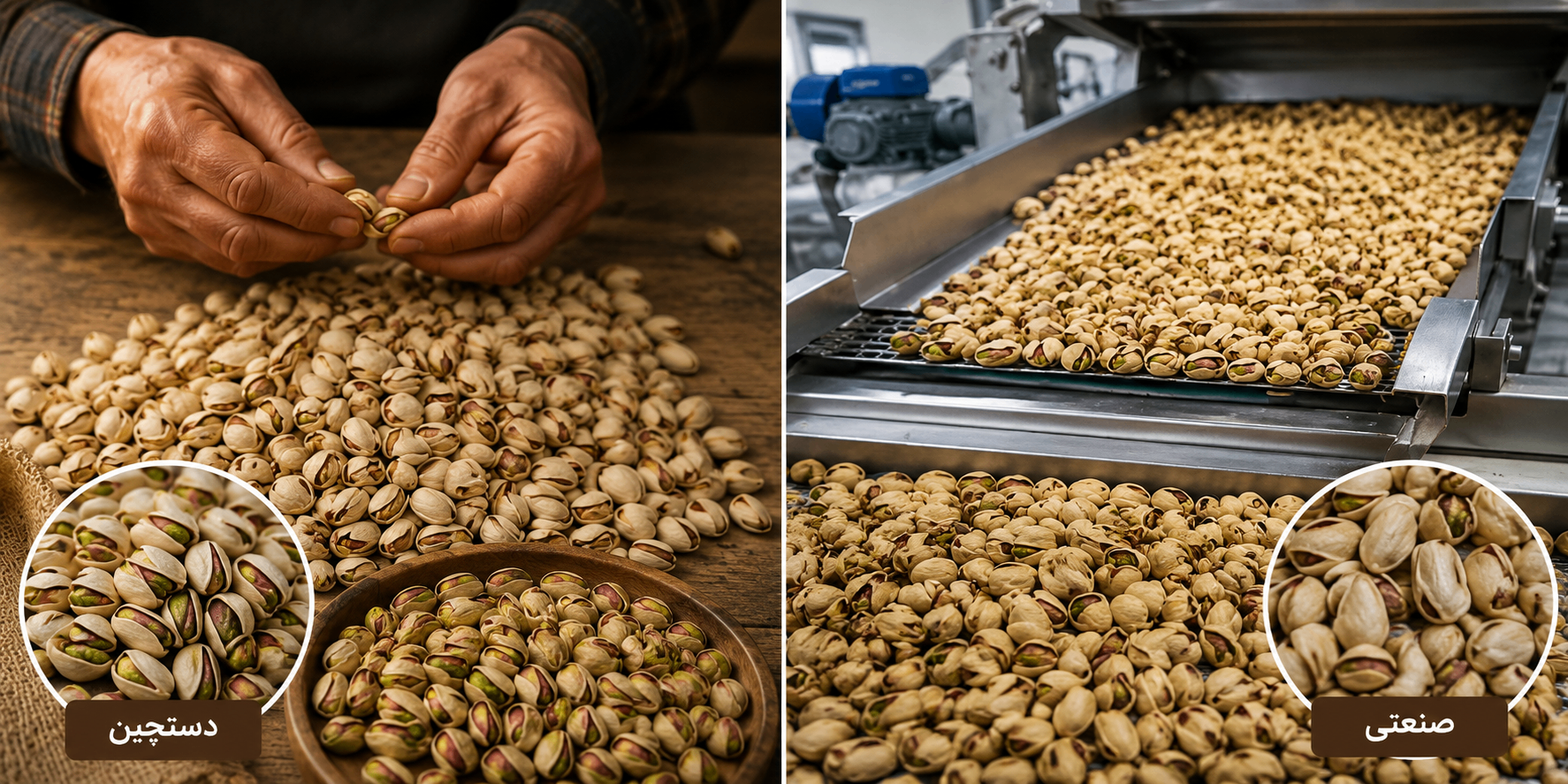
Pistachios are a valuable and sensitive agricultural product whose quality is directly related to weather conditions. Weather conditions can affect the taste, size, crispness, kernel color, and shelf life of pistachios. For this reason, not all regions are capable of producing high-quality, exportable pistachios, and only regions with a suitable climate can produce a high-quality, competitive product in the global market.
Iran's dry and hot climate, along with its long and sunny summers, has provided ideal conditions for growing pistachios. This has made Iranian pistachios famous and popular in many countries around the world due to their special taste, high quality, and natural crispness.
In the rest of this article, we will examine how each of the weather factors affects the quality of pistachios and why weather conditions play an important role in the production of pistachios for export.
Why is climate important in pistachio production?
Pistachio trees require specific climatic conditions to grow and produce a quality product. Factors such as temperature, humidity, and rainfall have a direct impact on the final quality of pistachios, and if any of these conditions are inappropriate, the quality of the product will decrease significantly. Climate can affect pistachio size, degree of browning, kernel color, flavor and aroma, percentage of hollowness, product health, and even its shelf life. Inappropriate climatic conditions also increase the likelihood of aflatoxin and fungal contamination, which is one of the most important problems in pistachio exports. For this reason, countries and regions with hot and dry climates usually produce higher quality pistachios and better export standards.
The most important climatic factors affecting pistachio quality
air temperature
Temperature is one of the most important factors affecting the quality of pistachios and plays a huge role in the formation of the final product. Pistachio trees need long, warm summers to produce a high-quality, exportable product because the right heat allows the pistachio kernels to grow better, the pistachios to ripen naturally, and the flavor and aroma of the product to increase. Warm weather also helps reduce the moisture content of pistachios and reduces the likelihood of some diseases and quality problems.
On the other hand, if the summer is too cool, the quality of pistachios is affected. In such conditions, the percentage of closed pistachios increases, the pistachio kernel does not fully develop, and ultimately the export quality of the product decreases. For this reason, hot and dry areas usually have the best conditions for producing quality pistachios.
winter cold
In order for the pistachio tree to grow normally and bear fruit properly after its hibernation period, it needs a certain amount of cold in the winter. This winter cold plays an important role in regulating the flowering and growth process of the tree. If the amount of cold is not sufficient, the tree's flowering will be disrupted, the fruiting rate will decrease, and the final product will not have the necessary quality and uniformity.
On the other hand, excessive cold and severe frost can also be dangerous and damage the tree's buds and blossoms. For this reason, temperature balance in the winter is considered one of the important factors in producing high-quality and exportable pistachios.
Spring frostbite
One of the most serious threats to pistachio orchards is spring frost, a phenomenon that can cause significant damage to the crop in a short period of time. When pistachio trees enter the flowering and blooming stage earlier as the weather warms, a sudden drop in temperature and the return of cold can kill the new blossoms and buds. As a result, the tree's yield is greatly reduced and the quality of the final product is also affected. In addition to reducing production, spring frost causes great economic damage to orchardists and in some years can cause losses of several million dollars to the pistachio industry.
The amount of rainfall
Pistachio trees naturally perform better in dry, low-rainfall areas, and high humidity can affect the quality of the product. Excessive rainfall, especially during the growing season and harvest time, is one of the important factors in reducing the quality of pistachios. The moisture from rain provides conditions for the growth of fungal diseases and mold and increases the likelihood of aflatoxin, a problem that is very sensitive in pistachio exports. Rain can also cause pistachio skins to crack, change the color of the product, and reduce the quality of the kernel. For this reason, rainfall during harvest is one of the worst things for pistachio growers, because in addition to reducing quality, it can also reduce the export value of the product.
air humidity
High humidity is one of the most important factors in reducing the quality of pistachios and can cause serious damage to the product. In humid areas, the likelihood of fungi and microbial contamination increases, which affects the quality and health of pistachios. High humidity also causes pistachios to spoil faster and reduce their shelf life; an issue that is especially important in storage and export. For this reason, dry and low-humidity areas of Iran have much more suitable conditions for producing high-quality and exportable pistachios, and one of the reasons for the global fame of Iranian pistachios is these favorable climatic conditions.
sunlight
Pistachios need plenty of sunlight to grow and reach their desired quality, and adequate light plays a very important role in the growth process of this product. When the pistachio tree has adequate light, the pistachio kernels grow better, the natural color of the product improves, and its taste becomes more fragrant and desirable. Adequate light also causes the product to ripen more completely and increase its final quality. In contrast, a lack of sunlight can reduce the appearance of pistachios, reduce their taste, and ultimately reduce their commercial and export value.
strong winds
Strong winds, especially during the flowering season of pistachio trees, can have significant negative effects on orchard performance. In these conditions, the wind can cause the flowers to fall, resulting in a decrease in the tree's yield. Strong winds can also damage branches, ultimately affecting the quality of the final product. However, gentle, natural airflow in orchards can be beneficial, as it helps to improve air circulation and reduces the likelihood of fungal diseases and contamination.
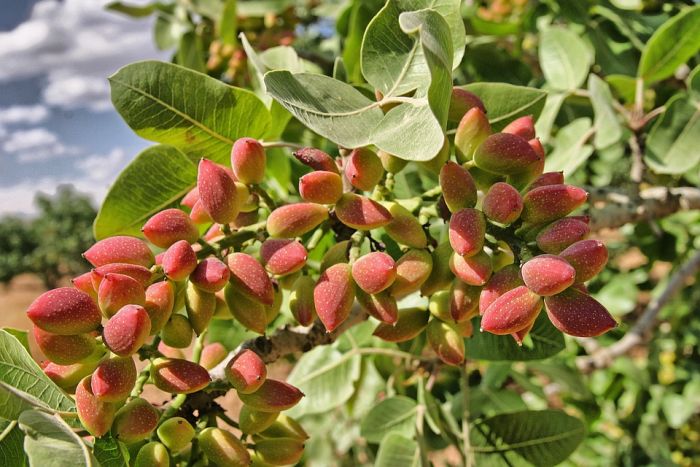
The best climate for producing quality pistachios
The best climatic conditions for the growth and production of pistachios are provided when a set of climatic characteristics come together. Pistachios perform ideally in areas with hot, dry summers, as the heat helps the pistachio kernels grow better, ripen naturally, and enhance their flavor and aroma. In contrast, winters in these areas should be relatively cold so that the tree can go through its dormancy period properly and enter the flowering and fruiting stage with greater vigor in the spring.
On the other hand, low rainfall and low humidity play a very important role in maintaining the health of the crop, as high humidity can increase fungal diseases and reduce the quality of pistachios. Also, abundant sunlight throughout the year helps the crop grow more fully and improves the color and quality of the pistachio kernel. Another important factor is the appropriate temperature difference between night and day, which helps increase the final quality and improve the appearance of pistachios.
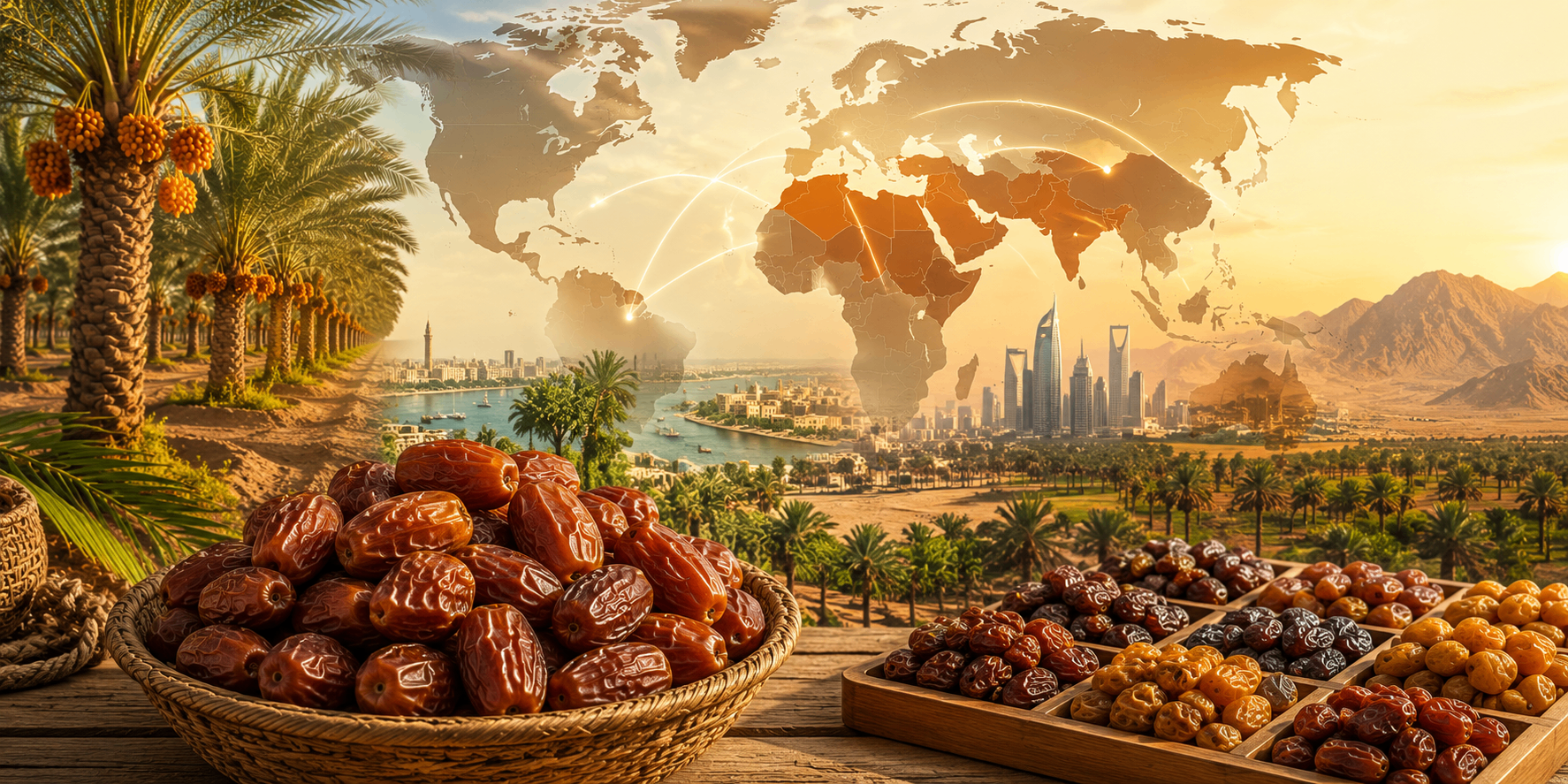
For this reason, the combination of these climatic conditions in provinces such as Kerman, Yazd, Khorasan, and Semnan has made these regions known as the main hubs of pistachio production in Iran and provide a large share of the country's high-quality, exportable pistachios.
Why is Iran's climate ideal for pistachios?
Iran is considered one of the best regions in the world for pistachio production due to its dry climate, long, hot summers, abundant sunlight, and low humidity. These ideal natural and climatic conditions have resulted in Iranian pistachios being of very high quality. As a result, pistachios produced in Iran usually have a stronger flavor, more natural sweetness, and a completely unique and different aroma and taste. These same characteristics have given Iranian pistachios a special place in global markets and are widely accepted by international buyers.
How can the negative effects of climate be reduced?
Today, professional gardeners use various modern and management methods to reduce the negative effects of weather conditions to maintain the quality of pistachios and minimize potential damage. One of the most important of these methods is the use of drip irrigation, which in addition to providing the tree with the water it needs, also prevents water stress. Also, using anti-cold systems during times of frost risk can prevent damage to blossoms and buds.
On the other hand, proper management of tree nutrition and the use of appropriate fertilizers play an important role in increasing the tree's resistance to adverse conditions. Choosing resistant pistachio varieties is also another effective strategy for better adaptation to different climatic conditions. In addition, controlling the humidity of the garden and its careful management can prevent the occurrence of fungal diseases.Finally, accurate and precise harvest timing is also very important, as timely harvesting has a direct impact on the final quality of the pistachio. The combination of these measures reduces the negative effects of weather and produces a higher quality product suitable for export.
summary
Climate is the most important natural factor in determining the quality of pistachios and its role in shaping the final characteristics of the product is very decisive. Factors such as temperature, humidity, rainfall and sunlight intensity directly affect the taste, size, color, health and export value of pistachios. The more suitable and balanced the climatic conditions of a region, the higher the quality of the pistachios produced and, as a result, their chances of success in global markets increase. For this reason, choosing the right region for cultivation and also properly managing climatic conditions are considered to be the most important principles of producing first-class export pistachios.
In this direction, Kimia Zarrin Bahadur Group, as one of the active players in the field of dried fruit export, provides high-quality Iranian pistachios with standards suitable for international markets to its customers and buyers, and strives to provide a reliable, high-quality, and globally competitive product.