The importance of hygiene in pistachio exports
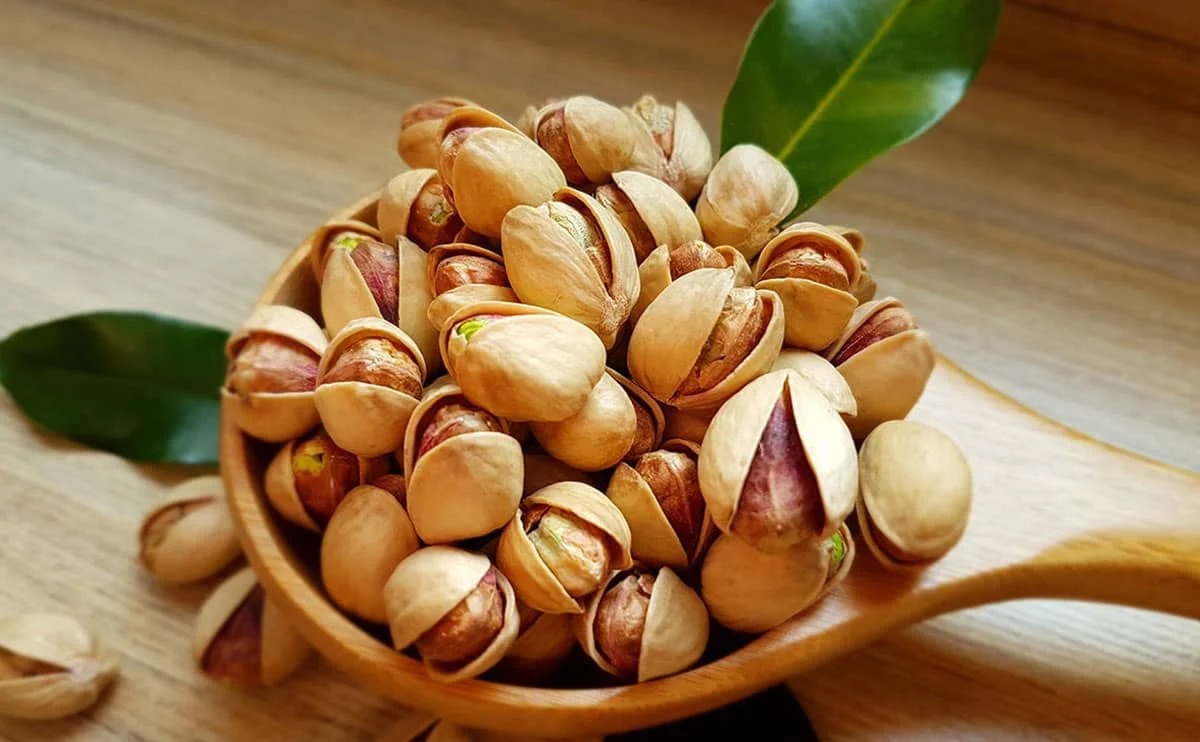
Pistachios are one of the most important export products of Iran and one of the most valuable dried fruits in the world. This product is not only known as a luxury food but also plays an important role in the agricultural economy and exports. For years, the name of Iranian pistachios has been associated with quality, unique taste and authenticity in global markets, which has given this product a special place in the international dried fruit trade.
However, in today's global markets the appearance, size or taste of pistachios alone are not enough to be successful in export. International buyers and importers are more sensitive than ever to food health and safety, and the slightest contamination or non-compliance with hygiene standards can lead to the rejection of an export shipment. For this reason, compliance with hygiene principles at all stages of pistachio production, processing, storage and packaging has become an unavoidable necessity.
In fact, hygiene in pistachio exports is not an optional option or a simple competitive advantage, but rather a fundamental condition and a serious requirement for entering and remaining in global markets. Any producer or exporter who ignores this principle will practically lose the chance of a sustainable presence in international markets because in today's business, the trust of foreign customers is based above all on health, sustainable quality, and compliance with hygiene standards.
Why is hygiene important in pistachio exports?
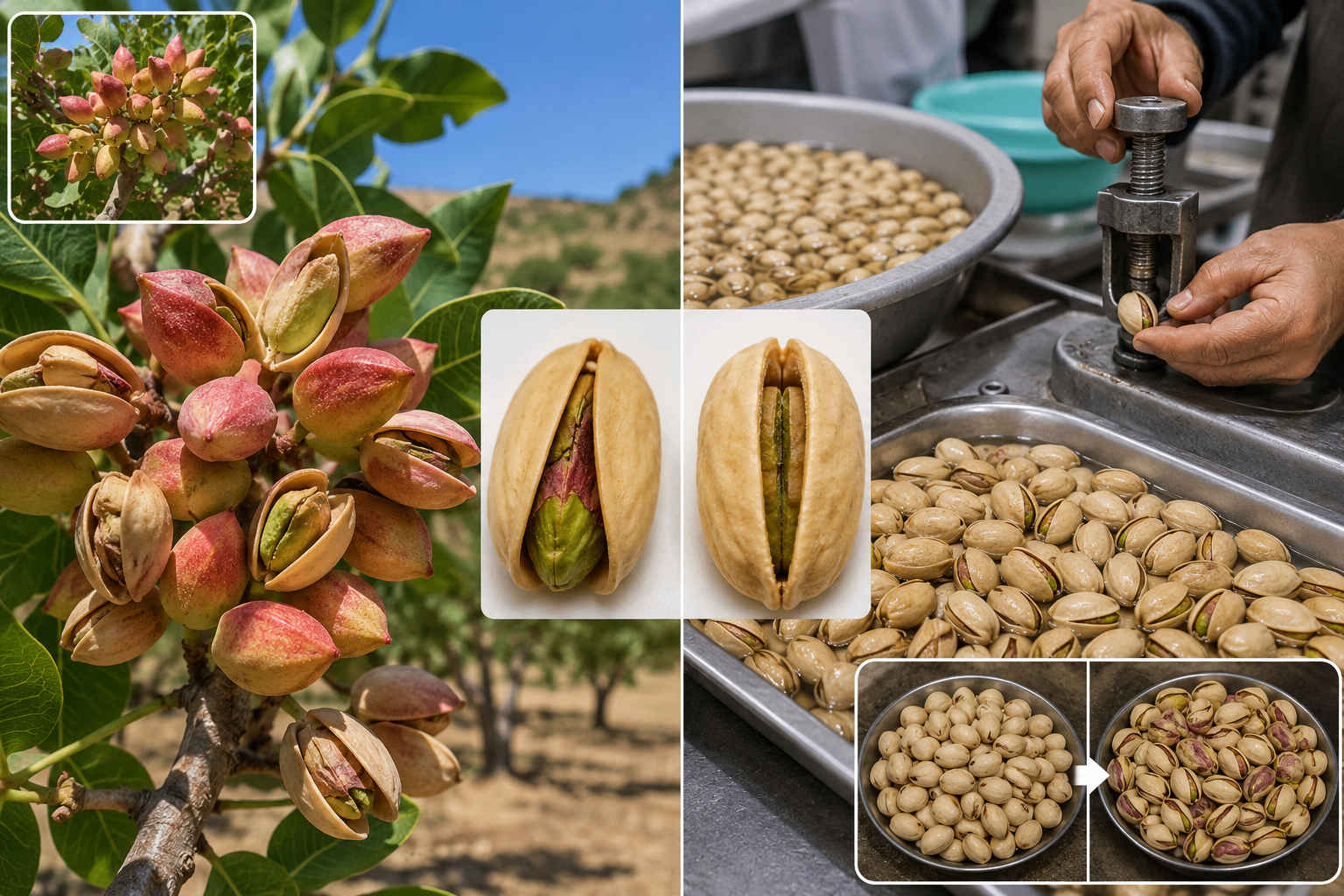
Pistachios are a direct food product that is usually available to the consumer without any complex processing and in a ready-to-eat form. This characteristic makes them very sensitive to health issues. So that the slightest contamination at any stage of production, from harvesting in the garden to drying, storage, packaging and even transportation, can directly affect the health of the end consumer.
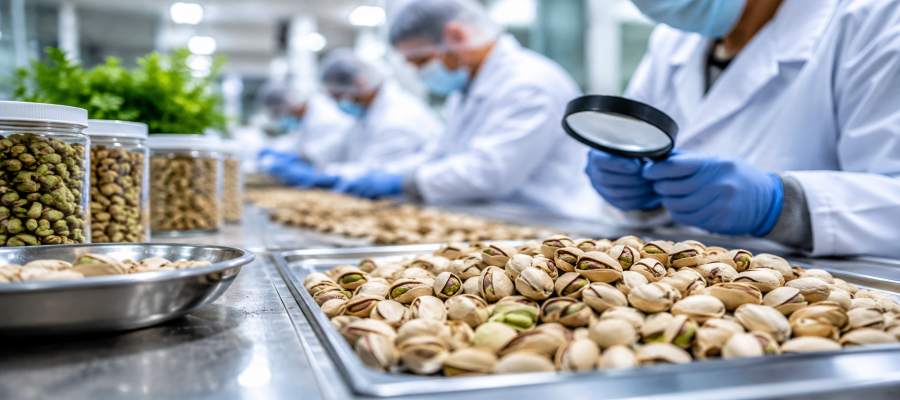
On the other hand, countries importing pistachios to global markets, especially in Europe and the United States, have very strict standards and laws regarding food safety and health. These countries conduct strict tests and controls for each shipment of nuts and only accept products that fully comply with international health standards.
In fact, paying attention to hygiene principles in pistachio exports brings several fundamental advantages, including preventing shipments from being returned at the destination country's customs, increasing the trust of buyers and foreign markets in the quality of the product, improving the position and value of the export brand, and ultimately providing the possibility of sustainable entry into important and competitive markets such as European and American countries.
The most important health standards in pistachio export
At the global level, food safety monitoring is the responsibility of a set of international and national organizations and institutions. Among them, organizations such as the World Health Organization play an important role in formulating general principles of food safety and providing health frameworks. In addition to these institutions, each importing country also has specific and strict laws and regulations to control the quality and safety of agricultural products, especially dried fruits such as pistachios.
Within this framework, there is a set of health standards that must be met for the successful export of pistachios. One of the most important of these is the control of aflatoxin levels. A toxic substance that can form in pistachios if stored improperly and in humid conditions, endangering the health of the consumer. Another important requirement is the examination of pesticide residues to ensure that the final product is free of any harmful chemicals at an unacceptable level.
In addition, maintaining hygiene conditions in the pistachio processing process is of particular importance because any contamination at this stage can affect the final quality of the product. Precise control of humidity and temperature in storage is also a key factor in maintaining health and preventing the growth of fungi and spoilage of the product. In addition, standard and safe packaging plays an important role in protecting pistachios from environmental contamination and maintaining their quality during international transportation.
Finally, product traceability is another important standard in pistachio exports, which allows for complete tracking of the product's production, processing, and distribution path, helping to increase the trust of buyers and regulatory bodies.
Aflatoxin: The most important health challenge in pistachio exports
One of the most serious and sensitive issues in pistachio exports is the possibility of contamination with a toxic substance called aflatoxin. This toxin is produced by certain fungi under unfavorable conditions, especially when humidity and heat are high, and can have very dangerous effects on human health. For this reason, controlling and preventing the formation of aflatoxin is one of the most important concerns of pistachio producers and exporters around the world.
To prevent this problem, it is essential to follow a set of principles throughout the production process. First, the pistachio harvest must be done at the right time and with precision to prevent the product from remaining on the tree for too long and increasing the risk of contamination. After harvest, the pistachios must be dried as quickly as possible, as delays in the drying process can create conditions for fungal growth.
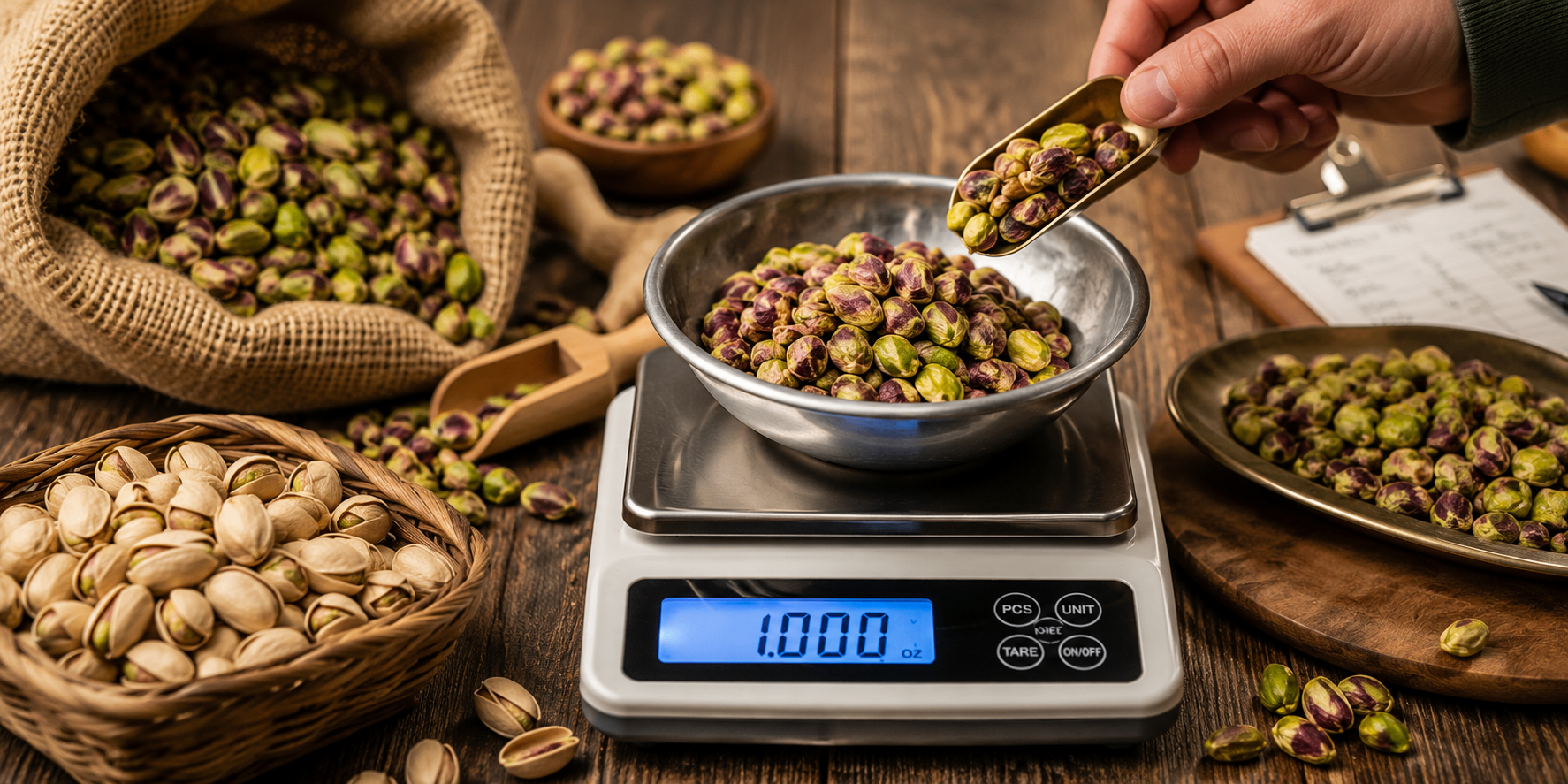
Furthermore, precise control of product moisture is very important because high humidity is one of the main factors in the formation of aflatoxin. Also, the use of standard, well-equipped and fully hygienic warehouses plays an important role in maintaining the quality of pistachios and preventing contamination during storage.
Health challenges in pistachio exports
Despite significant progress in the pistachio production and export industry, there are still challenges in fully adhering to hygiene principles that can affect the final quality of the product and its export position. One of the most important of these challenges is inadequate humidity control in some production areas; an issue that, if not managed properly, can lead to the growth of fungi and a decrease in product quality.
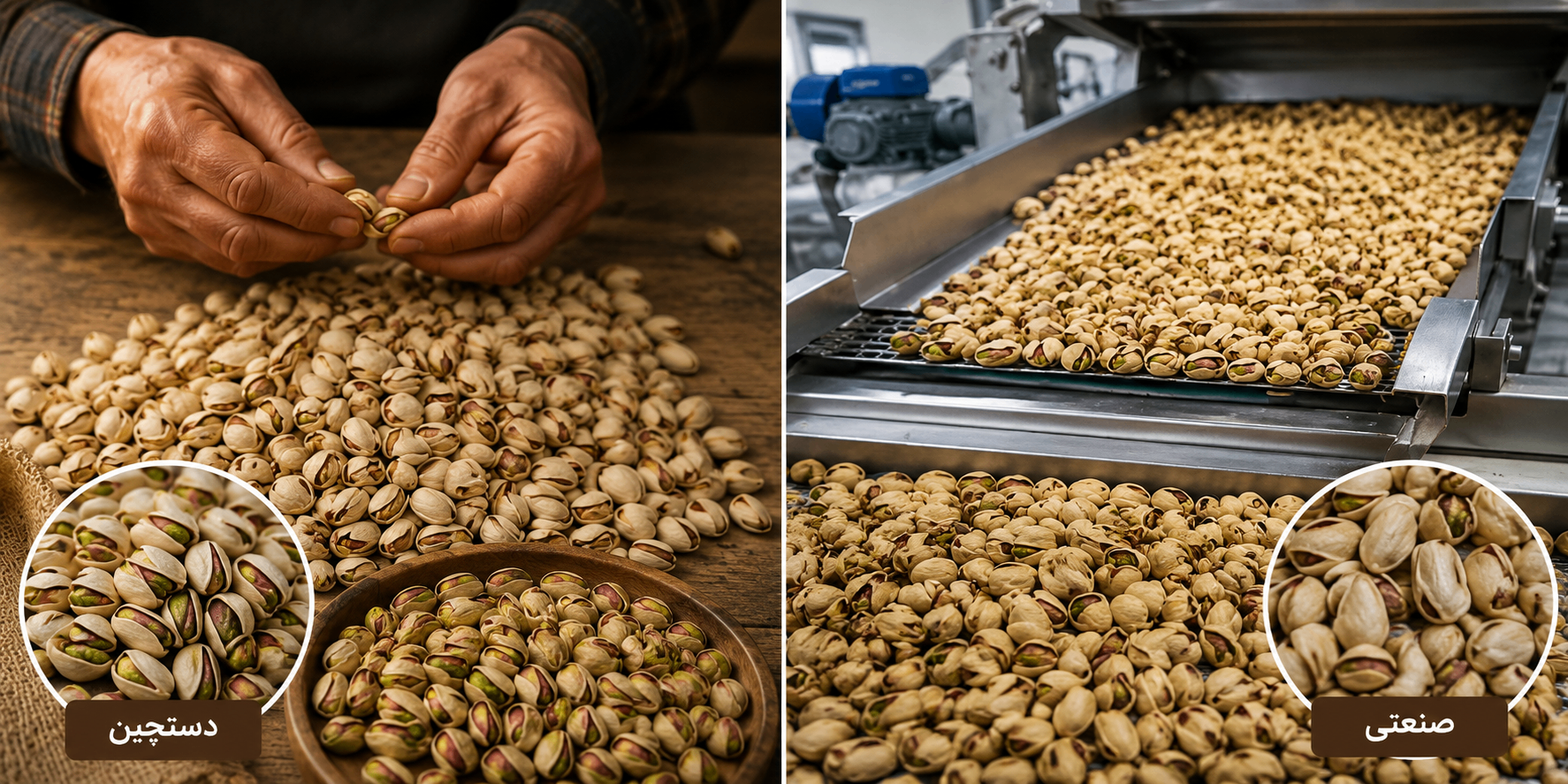
In addition, the lack of modern equipment in the processing process is another important obstacle, as the use of traditional methods in some units may reduce the accuracy in observing hygiene standards. Also, improper storage and handling conditions can lead to fungal contamination and a decline in the quality of pistachios over time.
On the other hand, the high cost of conducting standard tests and quality control is also a serious challenge for some manufacturers and exporters. In addition, the lack of awareness of some manufacturers of international export requirements and standards means that in some cases, the final product cannot fully meet the requirements required to enter global markets.
The future of pistachio exports and the role of health
With global markets becoming increasingly stricter about food safety and hygiene, the importance of adhering to hygiene principles in pistachio exports is increasing more than ever. Today, the appearance or taste of the product alone is no longer enough, and countries are looking for products that are completely reliable in terms of health, traceability, and international standards.
In the future, new technologies and standards will play a much more prominent role in the pistachio trade. For example, the use of digital traceability systems will allow the entire product path from the orchard to the final market to be accurately followed. Also, more accurate and advanced laboratory tests will help to identify the slightest contamination or quality deviations before export.
In addition, smart packaging is also being developed as a new solution that can control and even report product storage conditions such as temperature and humidity. On the other hand, obtaining international health certificates will also play an important role in increasing buyer confidence and facilitating entry into competitive global markets in the future.
In summary, it can be said that the future of pistachio exports is directly tied to improving hygiene levels, control technologies, and global standards, and countries that can properly comply with and implement these requirements will be successful.
Summary
Hygiene in pistachio exports is one of the most important factors for success in global markets. From the harvesting stage to packaging, each stage must be carried out under strict hygiene control so that the final product can achieve international standards. In the meantime, collections that consider hygiene as a fundamental principle in the export process will have a greater chance of a sustainable and successful presence in global markets. Kimia Zarrin Bahadur, by focusing on quality, product health and compliance with hygiene standards at all stages of production and export, strives to supply healthy, high-quality pistachios in accordance with international standards to global markets. Paying attention to hygiene details, using principled methods of storage and continuous quality control are part of this collection's approach to maintaining the trust of domestic and foreign customers